Equipment Storage Services: Secure, Flexible Solutions for Businesses and Individuals
Equipment storage services play a vital role for businesses and individuals who need safe, organized, and accessible space for valuable equipment. Whether you are managing seasonal tools, construction machinery, fitness equipment, or commercial assets, proper storage helps protect your investment and keeps operations running smoothly.
This guide explains what equipment storage services are, who needs them, how they work, and what to look for when choosing a reliable storage provider. It also covers common mistakes, best practices, and real-world use cases to help you make an informed decision.
What Are Equipment Storage Services?
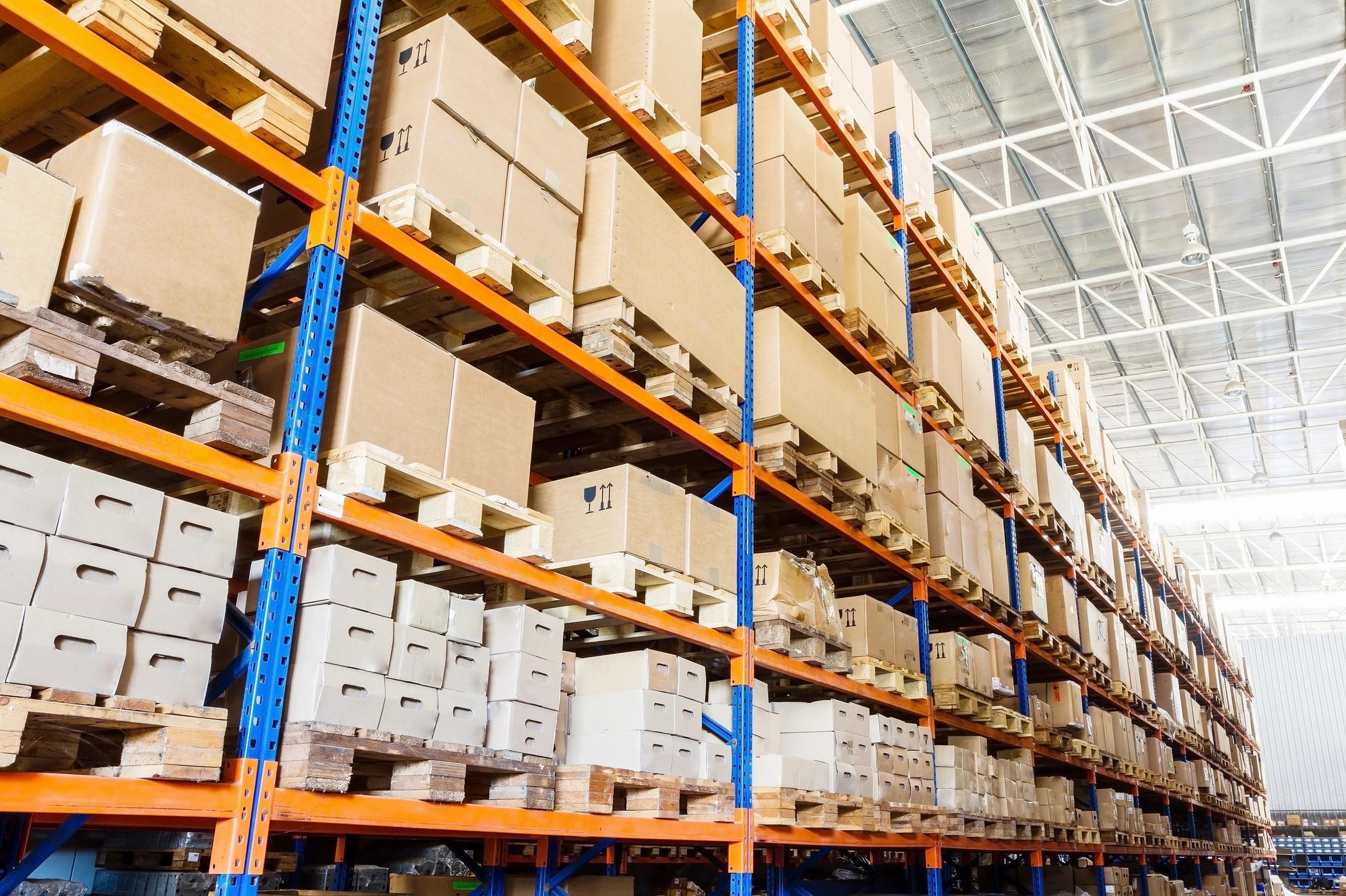
Equipment storage services provide secure facilities designed to store equipment that is too large, valuable, or specialized for standard storage options. These services go beyond basic storage units by offering features such as controlled access, organized layouts, and protection against damage or theft.
Equipment storage services are commonly used for:
- Business equipment and tools
- Construction and industrial machinery
- Fitness and gym equipment
- Event and staging equipment
- Seasonal or overflow inventory
The goal is to keep equipment safe, accessible, and in good working condition until it is needed again.
If you’re looking to streamline your operations, explore Inventory Storage Services: Smart Solutions for Secure and Scalable Inventory Management to discover secure, organized, and scalable storage options for your growing business.
Who Uses Equipment Storage Services?
Businesses and Contractors
Construction companies, maintenance crews, and service providers often rely on equipment storage to keep tools and machinery secure when not in use. This helps prevent loss and reduces wear from exposure.
Fitness Centers and Personal Trainers
Gym owners and trainers use equipment storage services when relocating, renovating, or rotating seasonal equipment. Proper storage prevents damage to high-value machines.
Event and Production Companies
Staging companies, event planners, and production teams store lighting, sound systems, and staging equipment between events to maintain organization and readiness.
Property Managers and Facility Operators
Property managers store maintenance equipment, landscaping tools, and backup supplies to keep properties operating efficiently.
Types of Equipment Commonly Stored
Commercial and Industrial Equipment
Heavy-duty equipment such as compressors, generators, and specialized machinery require secure storage environments that can handle weight and size.
Fitness and Exercise Equipment
Treadmills, weight machines, racks, and cardio equipment benefit from organized storage that protects electronic components and frames.
Seasonal Equipment
Snow removal tools, landscaping machinery, and outdoor equipment are often stored during off-seasons to reduce clutter and exposure.
Office and Technical Equipment
Large printers, servers, trade show displays, and backup systems are frequently placed in equipment storage when not in active use.
Why Equipment Storage Services Matter
Protection and Security
Professional equipment storage facilities offer controlled access, surveillance, and secure entry systems. This level of protection reduces the risk of theft or unauthorized use.
Space Optimization
Storing equipment off-site frees up valuable workspace, allowing businesses to operate more efficiently without overcrowding.
Equipment Longevity
Proper storage reduces exposure to dust, moisture, and temperature fluctuations, helping extend the lifespan of equipment.
Operational Flexibility
Equipment storage services allow businesses to scale operations up or down without committing to long-term space expansions.
Equipment Storage vs Standard Storage Units
Purpose-Built Design
Equipment storage facilities are designed for larger, heavier, and more complex items, unlike standard storage units meant for household goods.
Accessibility
Many equipment storage services offer flexible access hours and layouts that make loading and unloading easier for bulky equipment.
Professional Handling Options
Some providers offer assistance with placement, organization, and inventory management, which standard units typically do not provide.
Common Mistakes to Avoid When Choosing Equipment Storage
Ignoring Security Features
Not all storage facilities offer the same level of security. Always verify access controls and monitoring systems.
Choosing Based on Price Alone
Cheapest options may lack proper protection, leading to costly damage or loss.
Poor Organization Planning
Storing equipment without a layout or labeling system makes retrieval difficult and wastes time.
Overlooking Access Needs
Limited access hours or tight entry points can create delays when equipment is needed quickly.
Best Practices for Using Equipment Storage Services
- Clean and inspect equipment before storage
- Use protective covers or padding where needed
- Label and organize equipment clearly
- Keep an inventory list for tracking
- Choose storage locations with easy vehicle access
These practices help maintain equipment condition and improve efficiency.
Problem–Solution Scenarios
Problem: Equipment Damage During Storage
Solution: Use professional equipment storage services with proper environmental protection and secure layouts.
Problem: Limited Workspace at Your Facility
Solution: Move rarely used or seasonal equipment to off-site storage to free up space.
Problem: Difficult Access to Stored Equipment
Solution: Choose storage providers that offer flexible access and organized storage solutions.
If you’re considering condo living, explore Nashville Condos for Sale: A Buyer’s Guide to Finding the Right Downtown or Suburban Condo to compare locations, amenities, pricing, and find the perfect fit for your lifestyle.
How Professional Storage Services Add Value
Experienced storage providers understand the needs of businesses handling valuable equipment. They design storage systems that balance security, accessibility, and organization. Trusted service providers help reduce downtime, improve asset management, and protect long-term investments.
For companies that frequently move or rotate equipment, professional storage services can also support logistics planning and equipment transitions.
Equipment Storage for Short-Term vs Long-Term Needs
Short-Term Storage
Ideal for renovations, relocations, or temporary project pauses. Short-term storage offers flexibility without long commitments.
Long-Term Storage
Best for seasonal equipment or backup machinery. Long-term storage focuses on preservation and consistent security.
Frequently Asked Questions
They are used to securely store business, commercial, or specialized equipment when it is not in use.
Yes, equipment storage is designed for larger, heavier, and higher-value items with added security and accessibility.
Yes, when stored properly, fitness equipment can remain in good condition for extended periods.
Look for strong security, easy access, proper space, and experience handling equipment similar to yours.
Most providers offer short-term and long-term options based on your needs.
Yes, protecting equipment from damage and environmental exposure helps extend its lifespan.
Final Thoughts
Equipment storage services offer practical, secure, and efficient solutions for managing valuable assets. From commercial machinery to fitness and seasonal equipment, professional storage helps protect investments, reduce clutter, and improve operational flexibility. Choosing the right storage solution ensures your equipment is ready, safe, and accessible whenever you need it