Are Movers Licensed and Insured? What to Check
A low estimate can look like a win until moving day arrives with an unmarked truck, unclear paperwork, and no real answer about what happens if something goes wrong. That is why asking, are movers licensed and insured, should be one of the first steps in choosing a moving company. The answer protects more than your furniture. It helps protect your schedule, your budget, and your peace of mind.
Not every moving company operates under the same rules, and the words “licensed” and “insured” can mean different things depending on the type of move. A professional mover should be able to explain its credentials clearly, provide the right documentation when requested, and give you a written estimate that matches the services you need.
Are Movers Licensed and Insured for Every Type of Move?
Reputable movers should be properly licensed and insured for the work they perform, but the requirements vary based on where your move begins and ends. A move from Nashville to Knoxville is generally handled differently from a move that crosses state lines.
For interstate moves, moving companies typically need a U.S. Department of Transportation number and federal operating authority. These credentials help identify the carrier responsible for transporting your household goods. If a company is moving your belongings from Tennessee to another state, it should be able to provide its USDOT number and explain its interstate authority.
For local and in-state moves, requirements may involve state, local, and business registration rules. The exact standards can depend on the services offered and the communities where the company operates. A legitimate mover should not be vague when you ask about its licensing. Clear answers are a good sign that the company takes compliance, customer protection, and professional operations seriously.
Insurance matters just as much. A mover may carry business liability insurance, vehicle insurance, workers’ compensation coverage where required, and coverage related to the goods it transports. However, these policies do not always mean every item is automatically covered for its full replacement value. That distinction matters when you are trusting a crew with electronics, antiques, artwork, family heirlooms, or a piano.
Licensing Shows the Company Is Accountable
A license is not simply a logo on a truck or a claim on a website. It helps establish that a company is operating as a real business with recognized authority to provide moving services. It also gives customers useful information to verify before booking.
When a mover is properly registered, there is a clearer trail of accountability. You can confirm the business name, compare the name on the estimate to the name on the truck, and make sure the company handling your belongings is the company you hired. This can help you avoid a common problem in the moving industry: a low quote from one business followed by an unfamiliar crew or a different company name on moving day.
Licensing does not guarantee a perfect move. Even experienced crews can encounter traffic delays, difficult staircases, weather issues, or unexpected building restrictions. But it does show that the mover is operating with a defined business identity rather than asking customers to take a chance on an unverified service provider.
What “Insured” Really Means for Your Belongings
Many customers hear that a moving company is insured and assume every damaged item will be replaced at its full value. That is not always how moving coverage works. Before signing an estimate or bill of lading, ask the company to explain the protection options available for your specific move.
There is often a difference between basic valuation coverage and more comprehensive valuation protection. Basic coverage may provide limited reimbursement based on an item’s weight rather than its purchase price or replacement cost. That could be very different from what a high-value television, designer furniture piece, or antique dresser is actually worth.
Some movers offer additional protection options, while some customers choose to check whether their homeowners or renters insurance includes moving-related coverage. The right choice depends on the value of your belongings, the distance of the move, and your comfort level with risk. For a short apartment move with mostly replaceable furnishings, basic protection may feel sufficient. For a larger household move with valuable or sentimental items, stronger coverage may be worth considering.
Ask direct questions before moving day: What protection is included? Is there an additional cost for higher coverage? What items have special limits? How do I report damage? What is the claims process and timeline?
A trustworthy mover will answer without pressure or confusing language. You should know what you are selecting before the truck is loaded.
How to Verify a Moving Company Before You Book
You do not need to become an insurance expert to screen a mover. You do need to take a few minutes to compare the company’s claims with its paperwork and communication.
Look for these signs before you commit:
- The company provides a written estimate that identifies the business clearly and describes the services included.
- It can provide licensing or registration information appropriate for your type of move.
- It explains insurance and valuation coverage in plain language, including limitations and claim procedures.
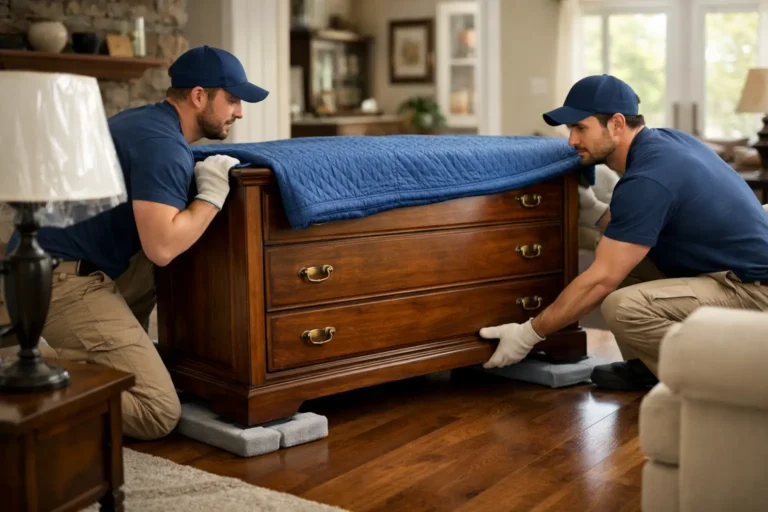
- Its crew arrives in a clearly identified truck and uses professional equipment, such as moving pads, dollies, straps, and proper packing materials.
- It does not demand a large cash payment, avoid written documentation, or refuse to answer questions about charges.
Also pay attention to consistency. The company name, phone number, estimate, invoice, and vehicle branding should align. If the person giving the quote will not provide a physical business address, changes the price without explaining why, or cannot tell you who will perform the move, consider it a warning sign.
For Tennessee homeowners, renters, seniors, and business owners, a detailed estimate is especially useful. It should make clear whether the price accounts for packing, labor, stairs, long carries, specialty items, storage, travel time, or any other services that could affect the final total. The goal is not just to find an affordable mover. It is to find one that is upfront about what affordable actually includes.
Special Items Need Extra Planning
Licensing and insurance are essential for every move, but they become even more critical when your relocation involves difficult or valuable items. Pianos, large safes, antiques, heavy furniture, office equipment, and fragile electronics require the right equipment and experienced handling.
Ask whether the company has moved similar items before and how it plans to protect them. A professional crew should be able to explain how it will wrap, secure, load, and transport your belongings. For commercial moves, ask how the team will protect computers, confidential files, furniture, and access to your workspace during the transition.
It is also smart to document the condition of high-value items before the move. Take photos, keep receipts or appraisals when available, and point out existing scratches or damage before loading begins. This does not mean you expect a problem. It means you are prepared and both parties have a clear record.
The Lowest Quote Is Not Always the Best Value
Moving is expensive, and comparing estimates is practical. Still, the least expensive quote can become costly if it excludes services you assumed were included or comes from a company without proper credentials. An unusually low price may mean the mover is leaving out packing materials, fuel, travel time, stairs, long carries, or insurance-related details.
A dependable moving company will help you understand the scope of your move before giving you a price. That may mean asking about your inventory, parking access, elevator reservations, storage needs, and specialty items. Those questions are not a sales tactic. They are part of planning a move that stays organized and avoids last-minute surprises.
Good Time Moving & Storage helps Tennessee customers plan local, long-distance, residential, and commercial moves with licensed, insured service, clear communication, and professional handling from start to finish.
Before you reserve your moving date, ask for the credentials, review the estimate, and make sure you understand the protection offered for your belongings. A few clear answers before moving day can make the entire experience feel far more manageable.