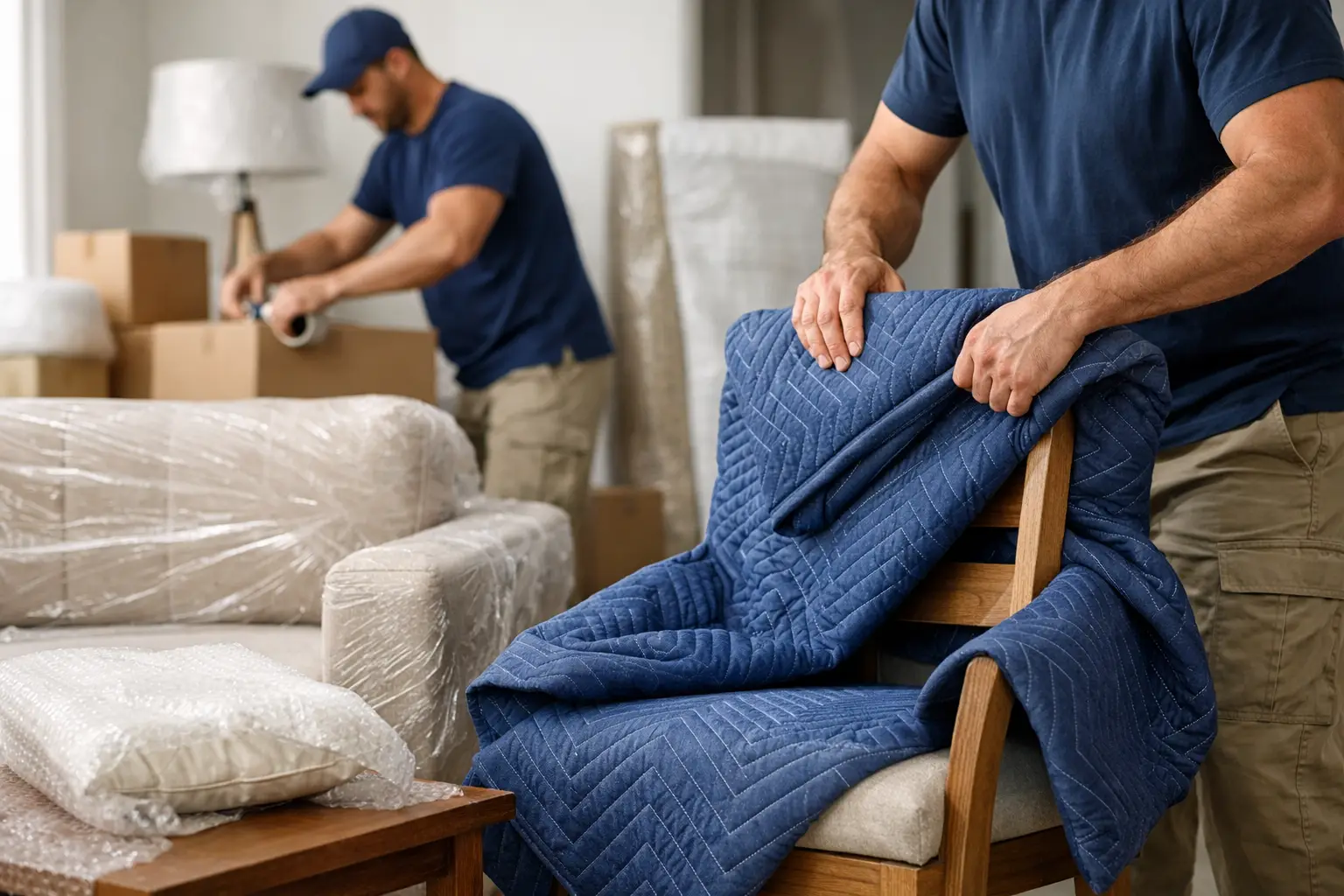
Best Ways to Protect Furniture During a Move
A scratched dining table or torn sofa can turn an otherwise successful move into an expensive frustration. Furniture is often the largest, heaviest, and most personal part of a home, which is why protecting it requires more than a few loose blankets and good intentions. The best ways to protect furniture start before moving day and continue through loading, transportation, unloading, and storage.
Whether you are moving from an apartment in Nashville, a family home in Franklin, or an office in Knoxville, a little preparation can prevent dents, stains, broken legs, and damaged finishes. Here is how to give your furniture the careful handling it deserves.
Start With a Furniture Protection Plan
Walk through each room before packing begins and identify pieces that need special attention. Large sectionals, antique dressers, glass-top tables, recliners, bookcases, and solid-wood furniture all have different risks. Take clear photos of valuable items from several angles before they are moved. This creates a record of their condition and helps you spot any existing wear.
Measure oversized furniture and the doorways, hallways, stairwells, and elevators it must pass through. A sofa that barely fits through the front door is more likely to catch a wall, scrape a frame, or suffer a damaged arm if the route has not been planned. Knowing the path ahead of time also helps you decide whether an item needs to be disassembled.
Do not wait until the truck arrives to gather supplies. Moving blankets, stretch wrap, furniture pads, corrugated corner protectors, mattress bags, packing tape, and strong boxes for hardware should be ready before you begin. The right materials are far less costly than repairing or replacing a damaged piece.
Clean, Empty, and Disassemble Before Wrapping
Dust, crumbs, and small debris can scratch furniture when they are pressed under moving pads or plastic wrap. Wipe down hard surfaces and vacuum upholstered pieces before packing. Allow everything to dry completely. Wrapping damp furniture can trap moisture and create odors, mildew, or finish damage, especially if the item will be stored.
Empty drawers, cabinets, shelves, and desks whenever possible. A dresser may seem easier to move with lightweight clothing inside, but added weight puts stress on drawer slides, joints, and the people carrying it. Remove lamps, décor, shelves, and detachable glass panels as well.
Disassemble furniture that is designed to come apart. Remove table legs, bed rails, headboards, mirrors, and shelving units when doing so makes the item safer to carry. Place screws, bolts, brackets, and instructions in a labeled bag, then tape that bag securely to the underside or interior of the related piece. Avoid taping directly to finished wood, leather, or delicate surfaces, where adhesive can leave residue or pull away finish.
Use the Right Wrapping for Each Material
One wrapping method does not fit every piece. The best ways to protect furniture during a move depend on its material, shape, condition, and value.
Wood Furniture
Wood furniture needs protection from scratches, pressure marks, and moisture. Cover the piece with clean moving blankets or furniture pads, then secure the pads with stretch wrap around the padding, not directly against the wood. This helps keep the blanket in place without letting plastic trap moisture against the finish.
Pay close attention to corners, feet, and carved edges. Add cardboard or foam corner protectors to tables, dressers, and cabinets. Never stack heavy boxes directly on wood furniture, even when it is wrapped. The weight can dent the surface or strain the frame.
Upholstered Furniture and Mattresses
Sofas, chairs, and mattresses are vulnerable to dirt, rain, tears, and odors. Use fitted sofa covers, mattress bags, or clean plastic wrap as an outer barrier. Before applying plastic, place moving pads over exposed wood legs, arms, or fragile trim. Plastic protects fabric from moisture and grime, but it should not be used for long-term storage in a humid environment because upholstery needs airflow.
For recliners and sleeper sofas, secure moving parts according to the manufacturer’s instructions. Do not force the mechanism or tape levers in a way that could bend them. If possible, remove detachable legs and wrap them separately.
Glass, Mirrors, and Delicate Surfaces
Glass tabletops, mirrors, and framed artwork should be removed from furniture whenever possible. Wrap each item in packing paper or glassine, then add bubble wrap and a sturdy, labeled box or mirror carton. Mark the package as fragile and keep it upright during transport.
If a glass panel cannot be removed, protect it with cardboard on both sides, then wrap the entire item in moving blankets. Avoid placing tape directly on glass. Temperature changes and pressure inside a loaded truck can make unprotected glass more vulnerable than many people expect.
Protect Floors, Doorways, and the Furniture Itself
Furniture damage often happens during the walk from the house to the truck. Cover hardwood floors with floor runners or flattened cardboard in high-traffic areas. Use doorway protectors where large pieces must turn through narrow openings. These precautions protect the home while also reducing the chance that a furniture corner catches on a wall or doorframe.
Use furniture sliders only on the surfaces for which they are intended. They can make it easier to move a heavy dresser across carpet or hard flooring, but they are not a replacement for proper lifting. Dragging furniture without protection can damage both the floor and the item’s legs or base.
When lifting, keep the piece upright unless its design calls for another position. Carrying a dresser on its side may damage drawers, while placing a sofa on an arm can strain the frame. Heavy or awkward items should always be handled by enough people to keep movement controlled. A rushed carry is where many preventable accidents happen.
Load the Truck in the Right Order
A well-packed truck is one of the most effective forms of furniture protection. Heavy, sturdy pieces belong toward the front of the truck, closest to the cab, where they help create a stable base. Sofas, mattresses, and large padded furniture can then form protective walls around more delicate items.
Furniture should be wrapped, placed upright when appropriate, and secured with straps or tie-downs so it cannot shift during turns or braking. Blankets should remain between items. Wood should not rub against metal, glass should not lean loosely against furniture, and chairs should not be stacked in a way that puts pressure on delicate arms or legs.
Avoid the temptation to fill every empty space with loose boxes. Small gaps can be filled with lightweight items such as pillows, cushions, or packed linens, but overloaded stacks can collapse during transit. Proper weight distribution matters as much as fitting everything into one load.
Plan Carefully for Storage
Storage adds another layer of risk because furniture may sit untouched for weeks or months. Choose a clean, dry, secure storage environment. Climate-controlled storage is often the better choice for wood, leather, antiques, electronics, and upholstered furniture, particularly during Tennessee’s hot, humid summers.
Keep furniture elevated off the floor with pallets, shelving, or protective blocks when possible. Leave small airflow gaps around items instead of packing the unit so tightly that air cannot circulate. Do not place plastic wrap directly against wood or upholstery for extended periods. Use breathable moving pads or furniture covers, and keep heavier items on the bottom.
Before storing, make sure every piece is dry and free of food residue. Even a small amount of moisture or debris can create unpleasant surprises when the unit is opened later.
Know When Professional Help Is Worth It
Some furniture is too heavy, fragile, valuable, or difficult to maneuver to treat as a DIY project. Pianos, antique armoires, large safes, marble-top pieces, oversized sectionals, and commercial furniture often require specialized equipment and trained handling. Professional movers bring furniture pads, straps, dollies, lifting techniques, and truck-loading experience that most households do not need every day.
Good Time Moving & Storage provides licensed, insured moving support for Tennessee customers who want careful packing, furniture moving, secure transport, and storage handled by an experienced team. Professional help can be especially valuable when stairs, tight apartment hallways, elevators, or long-distance transportation increase the risk.
Furniture protection is not about wrapping everything in as much material as possible. It is about using the right protection, planning the route, keeping each piece stable, and refusing to rush the heavy work. Give your furniture that level of care, and it can arrive ready to make the next place feel like home.