Hospital Movers: Everything You Need to Know About Safe Medical and Hospitality Relocation
Relocating medical facilities or healthcare-related equipment is a highly specialized process. Hospital movers play a critical role in ensuring that sensitive equipment, hospital beds, and operational assets are moved safely, efficiently, and without disrupting essential services. Unlike residential or standard commercial moves, hospital and hospitality relocations require careful coordination, strict handling protocols, and experienced teams.
This guide explains what hospital movers do, how hospital bed movers operate, how hospitality movers fit into healthcare-related moves, and what to expect when searching for hospital bed movers near me. It is designed to answer real questions from healthcare administrators, facility managers, and operations teams.
What Are Hospital Movers?
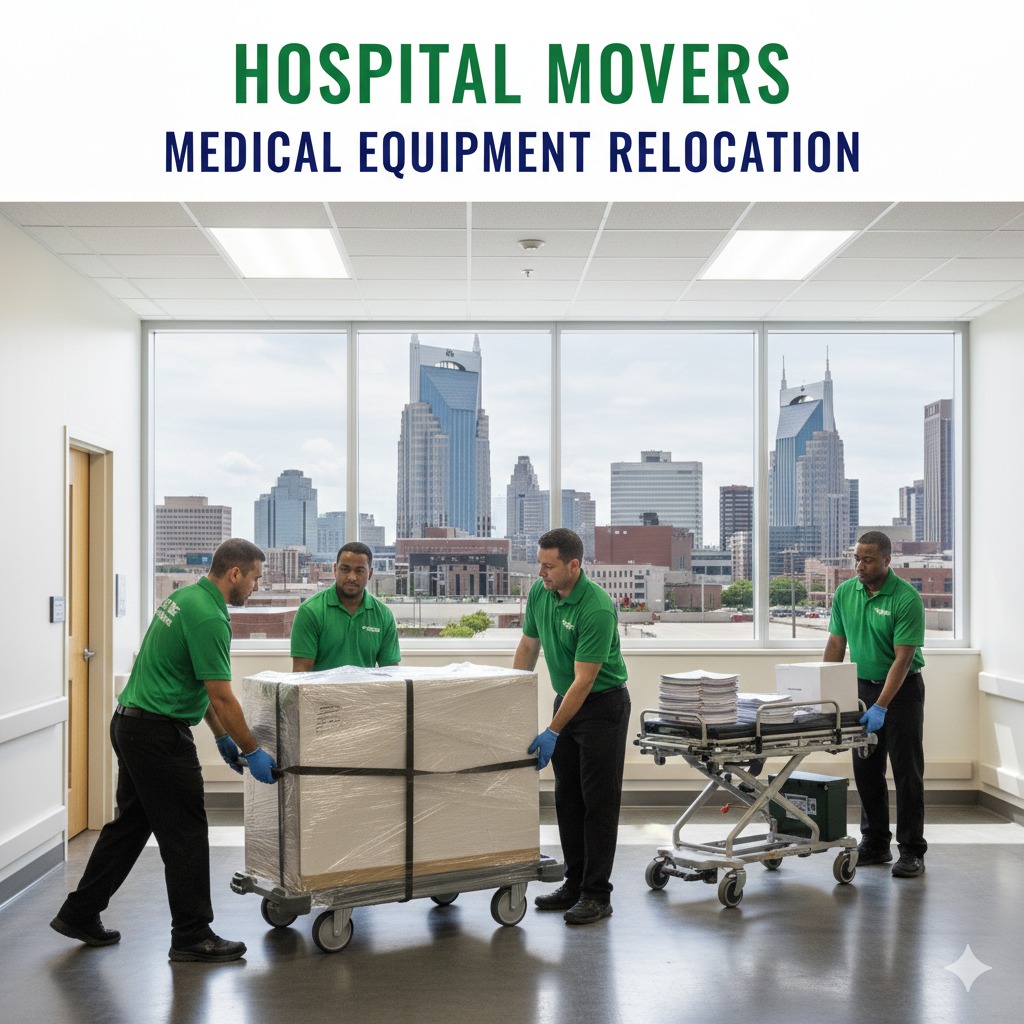
Hospital movers are professional relocation specialists trained to handle medical equipment, hospital furniture, patient beds, and healthcare facility infrastructure. Their work often involves moving items that are expensive, fragile, regulated, or critical to patient care.
Hospital movers commonly assist with:
- Hospital relocations or expansions
- Equipment upgrades and replacements
- Internal department moves
- Temporary storage during renovations
- Emergency relocations
Because hospitals operate around the clock, these moves must be executed with minimal disruption.
Why Hospital Moves Require Specialized Expertise
Hospitals are not typical commercial spaces. Every item moved may directly impact patient safety or medical operations.
Key challenges include:
- Infection control requirements
- Equipment calibration and protection
- Tight timelines and phased relocations
- Coordination with hospital staff
- Compliance with safety and handling standards
Experienced hospital movers understand these challenges and plan each step accordingly.
The Role of Hospital Bed Movers
One of the most critical aspects of any healthcare move is the relocation of patient beds. Hospital bed movers specialize in safely transporting adjustable beds, ICU beds, bariatric beds, and related equipment.
Why Hospital Beds Need Special Handling
Hospital beds are:
- Mechanically complex
- Heavy and awkward to maneuver
- Often integrated with monitoring systems
- Essential for patient care continuity
Improper handling can result in damage, safety risks, or operational delays.
How Hospital Bed Movers Handle Bed Relocation
Professional hospital bed movers follow strict procedures to ensure safety and functionality.
Typical steps include:
- Disconnecting electrical and mechanical components
- Securing moving parts
- Wrapping and protecting frames
- Using specialized dollies and lift equipment
- Reassembling and positioning beds at the destination
This process ensures beds are ready for immediate use upon arrival.
Hospital Bed Movers Near Me: What to Look For
When searching for hospital bed movers near me, healthcare facilities should focus on experience rather than proximity alone.
Important factors to consider:
- Proven experience with medical equipment
- Trained and certified moving crews
- Knowledge of hospital safety protocols
- Ability to work during off-hours
- Clear communication and planning
Local professionals familiar with hospitals in Nashville and surrounding areas such as Franklin, Brentwood, Murfreesboro, and Hendersonville often provide smoother coordination due to regional familiarity.
What Are Hospitality Movers and How Do They Relate to Healthcare?
Hospitality movers typically handle relocations for hotels, assisted living facilities, rehabilitation centers, and healthcare-adjacent environments. These moves often overlap with hospital relocations, especially in long-term care or medical hospitality settings.
Hospitality movers frequently handle:
- Patient room furniture
- Beds and mattresses
- Dining and lounge equipment
- Storage and supply rooms
- Administrative areas
In healthcare environments, hospitality movers must follow similar cleanliness and handling standards as hospital movers.
Differences Between Hospital Movers and Hospitality Movers
While their work can overlap, there are important distinctions.
Hospital Movers
- Handle medical-grade equipment
- Follow strict compliance and safety rules
- Work closely with clinical staff
- Focus on minimizing operational downtime
Hospitality Movers
- Focus on furniture and facility assets
- Emphasize efficiency and room setup
- Often work on tight renovation timelines
- Support patient comfort and functionality
Many large healthcare moves require both hospital movers and hospitality movers working together.
Planning a Hospital or Medical Facility Move
Successful hospital relocations depend on planning.
Pre-Move Assessment
Before any move begins, professional hospital movers conduct detailed assessments, including:
- Equipment inventory
- Bed counts and types
- Floor plans for both locations
- Access points and elevators
- Infection control requirements
This step helps avoid delays and confusion.
Phased Moving Approach
Hospitals rarely move everything at once. Instead, movers use phased strategies to keep departments operational.
Benefits of phased moves include:
- Reduced service disruption
- Better inventory control
- Increased safety for staff and patients
- Easier troubleshooting
Common Challenges During Hospital Moves
Even with planning, hospital moves present challenges.
Equipment Sensitivity
Medical devices often require special packaging and handling.
Tight Scheduling
Moves may need to occur overnight or during low-activity periods.
Coordination With Staff
Hospital staff must remain informed and prepared throughout the process.
Experienced hospital movers anticipate these challenges and adapt accordingly.
Hospital Movers vs Standard Commercial Movers
Choosing the wrong type of mover can cause serious problems.
Standard commercial movers typically:
- Lack medical equipment experience
- Do not follow healthcare safety protocols
- Are not equipped for hospital beds or machinery
Hospital movers are trained specifically for healthcare environments, making them essential for safe relocation.
Real-Life Example of a Hospital Bed Move
A medical facility in Nashville upgraded its patient beds during a renovation. Hospital bed movers relocated over 100 beds in stages, ensuring each unit was protected, transported, and reinstalled without interrupting patient care. Beds were moved during off-hours and returned to service immediately.
This type of coordination highlights the importance of specialized movers.
Best Practices Used by Professional Hospital Movers
Experienced teams follow strict best practices, including:
- Detailed labeling systems
- Separate handling zones for clean and used equipment
- Equipment-specific transport methods
- Clear communication with facility managers
- Final inspections after placement
These practices reduce errors and improve efficiency.
Storage Needs During Hospital and Hospitality Moves
Temporary storage is often required during renovations or phased relocations. Medical-grade storage solutions protect equipment from dust, moisture, and temperature changes.
Trusted service providers like Good Time Moving and Storage often support hospital movers and hospitality movers by offering secure storage options for healthcare facilities across Nashville and nearby Tennessee cities.
Frequently Asked Questions
Hospital movers specialize in relocating medical equipment, hospital beds, and healthcare facility assets safely and efficiently.
Yes. Hospital bed movers are trained to handle complex medical beds and related systems.
Look for experienced local professionals with healthcare moving experience and strong safety protocols.
Hospitality movers handle furniture and facility assets in healthcare-adjacent environments like rehab centers and assisted living facilities.
Yes. Most hospital moves are completed in phases to keep departments operational.
Planning reduces downtime, protects equipment, and ensures patient safety.
Final Thoughts
Hospital relocations require precision, experience, and coordination. Hospital movers, hospital bed movers, and hospitality movers each play a vital role in ensuring medical facilities remain functional and safe during transitions. Whether relocating beds, equipment, or entire departments, choosing professionals who understand healthcare environments makes all the difference.
If you are searching for hospital bed movers near me, focusing on experience, planning, and safety standards will help ensure a smooth and successful move for your facility.