Key Qualities to Look for in Furniture Moving Services
Choosing licensed, insured furniture movers you can trust

Picking the right furniture mover makes a big difference in how smoothly your move goes. With so many options, knowing what to look for helps you avoid stress and protects your things. This guide walks you through the most important qualities to consider when hiring licensed, insured furniture movers so you can make a confident choice that fits your needs. Many people struggle to find dependable movers who handle belongings with care. By focusing on licensed and insured companies, you reduce risk and make sure the crew follows industry standards. Below we cover why licensing and insurance matter, how to check a mover’s reputation, what honest pricing looks like, and which services professional movers should offer.
Why choosing licensed, insured movers matters
Hiring licensed and insured movers protects you in two important ways. Licensing shows the company meets state or federal rules and is allowed to operate. Insurance gives you financial protection if something is damaged or lost in transit. Knowing these basics helps you pick a mover who treats your move seriously and puts your interests first.
How licensing protects you and ensures legal compliance
Licensing signals that a mover follows the regulations where they work. States set different rules for moving companies, and movers who cross state lines must have a U.S. Department of Transportation (DOT) number from the Federal Motor Carrier Safety Administration (FMCSA). That DOT number shows the company is authorized to operate and meets federal safety and insurance requirements. Hiring licensed movers gives you a way to report problems and helps protect your rights if something goes wrong.
What types of insurance should movers carry?

Insurance is a key part of a trustworthy moving company. Look for movers that carry liability insurance, cargo insurance, and workers’ compensation. Liability insurance covers damage or injury the crew might cause. Cargo insurance covers items lost or damaged during transport. Workers’ compensation protects employees if they get hurt on the job — and it also protects you from employer liability claims. Knowing which policies a mover carries helps you judge how seriously they take customer protection.
How to check a mover’s reputation and reliability
Researching a mover’s track record is essential. Reviews and past customer experiences reveal how a company operates day to day. Use multiple sources so you get a balanced picture before you hire anyone.
Why customer reviews and testimonials matter
Customer reviews give real-world insight into a mover’s strengths and weaknesses. Look for repeat comments — for example, consistent praise for punctuality or recurring notes about unexpected fees. Recent reviews are especially useful because they reflect the company’s current performance.
How to verify a mover locally and online
Check online platforms like Google, Yelp, and the Better Business Bureau (BBB) for ratings and complaints. Ask friends or family for firsthand recommendations. Local business directories and social media can also reveal how a company shows up in the community. When in doubt, request references from recent customers and call them.
What transparent pricing looks like
Good movers give clear, detailed estimates that spell out every potential cost. Transparent pricing helps you compare quotes fairly and prevents surprise charges on moving day.
How to spot and avoid hidden fees
Hidden fees are a common source of frustration. Ask for a line-by-line estimate so you can see charges for packing materials, fuel surcharges, stair carries, or extra labor. If a quote sounds vague, ask the mover to explain any terms you don’t understand. Clear answers up front protect you from unexpected costs later.
Binding vs. non-binding estimates — what to know
Binding estimates set the maximum price you’ll pay, offering predictable costs. Non-binding estimates are approximations that can change if your shipment weighs more or you add services. Ask which type you’re receiving and what might trigger price changes so you’re prepared.
Which services professional furniture movers should offer
Top movers provide a range of services so you can pick what fits your move. Knowing your options helps you get the right support without paying for extras you don’t need.
Packing, disassembly, and storage options
Many movers can pack your home using quality materials and offer unpacking help at the other end. They can also disassemble and reassemble large items for safe transport. If you need short- or long-term storage, ask about climate-controlled units and security features so your belongings stay protected while in storage.
How specialty moves — like pianos and heavy furniture — are handled
Special items require special care. Movers who handle pianos, pool tables, or oversized furniture use the right equipment and trained crews to move these items safely. Ask about their experience with similar jobs and the techniques they use to protect both your property and their crew.
Why proper equipment and experience matter for safe moves
The right tools plus experienced movers reduce the chance of damage and speed up the job. A well-equipped crew knows how to protect fragile pieces and move heavy items efficiently.
Tools and techniques for heavy and fragile items
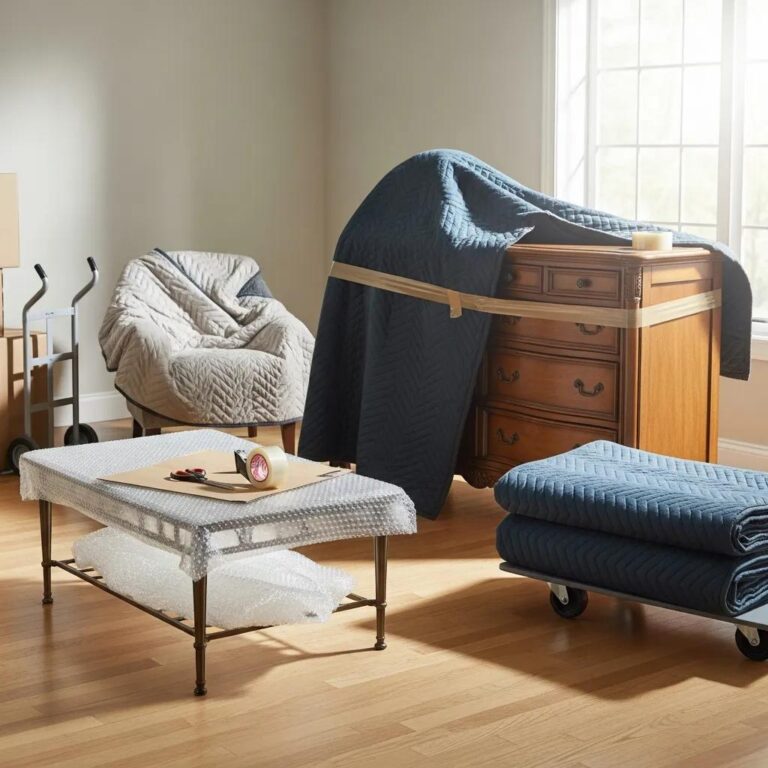
Expect movers to use dollies, straps, blankets, and padding to secure heavy and delicate items. Proper wrapping and anchoring keep things from shifting in transit. These tools, combined with careful handling, are what make the difference between a safe move and costly breakage.
How experience lowers risk and improves efficiency
Experienced crews anticipate challenges and solve them quickly — whether it’s navigating tight stairwells or protecting hardwood floors. That know-how reduces damage, saves time, and makes the whole move less stressful for you.
How clear communication and professionalism improve your move

Good communication and a professional approach make a big difference on moving day. When your mover stays in touch and acts respectfully, the process feels organized and secure.
What communication practices to expect from movers
Look for movers who confirm your appointment, provide clear arrival windows, and stay available to answer questions. They should explain packing instructions, timing, and any day-of details so you know exactly what to expect.
How professionalism builds trust and boosts satisfaction
Punctual crews, respectful behavior, and a tidy work style reflect a mover who cares about your experience. Professionalism gives you peace of mind and makes it more likely you’ll recommend them later.
| Service | Attribute | Value |
|---|---|---|
| Licensing | Legal compliance | Shows the company meets regulations |
| Insurance | Financial protection | Covers loss or damage in transit |
| Packing services | Convenience | Saves you time and effort |
| Specialty moving | Expert handling | Protects unique or heavy items |
Choosing the right furniture mover comes down to checking licensing and insurance, reading reviews, getting transparent pricing, and confirming the services you need. Focus on these factors and you’ll be in a much better position to enjoy a smooth, successful move.
Frequently Asked Questions
What should I look for in a moving company’s customer service?
Good customer service means quick, clear responses and helpful guidance. A reliable mover answers questions promptly, explains the process, and keeps you updated. Look for reviews that mention helpful staff and smooth communication.
How can I prepare for the moving day with my chosen movers?
Confirm the date and arrival window a few days ahead. Label boxes and make a short inventory. Clear walkways and mark any fragile items. Pack an essentials bag with things you’ll need right away. Let the movers know about special instructions before they arrive.
What are the benefits of hiring professional movers versus DIY moving?
Professional movers bring experience, equipment, and insurance. They reduce the risk of damage, save you physical effort, and usually finish faster than a DIY move. For bigger or more complex moves, pros are often the safer, easier choice.
Are there specific questions I should ask potential movers?
Ask about licensing and insurance, experience with moves like yours, and any specialty services you need. Request a detailed written estimate and ask what could trigger extra charges. Also ask about cancellation and claims policies so you know the plan if something goes wrong.
What should I do if my belongings are damaged during the move?
Document the damage with photos and notes, then contact the mover right away to start their claims process. Most companies have clear steps for filing a claim. Review the mover’s insurance coverage so you understand your options for compensation.
How can I ensure fragile items are protected during the move?
Use sturdy boxes, cushioning like bubble wrap or paper, and clearly label fragile boxes. Pack items separately and don’t overfill boxes. Tell the movers about any especially delicate pieces so they can take extra care or use special packing materials.
Conclusion
Hiring licensed, insured furniture movers gives you protection and peace of mind. When you check a company’s reputation, insist on transparent pricing, and confirm the services and equipment they provide, your move will be safer and less stressful. Ready to take the next step? Explore our trusted moving services to get a clear estimate and friendly support for your move.