
Master Long Distance Moving: Essential Tips for Success
Master Long Distance Moving With These Essential Tips: Your Complete Guide to a Smooth Cross Country Move
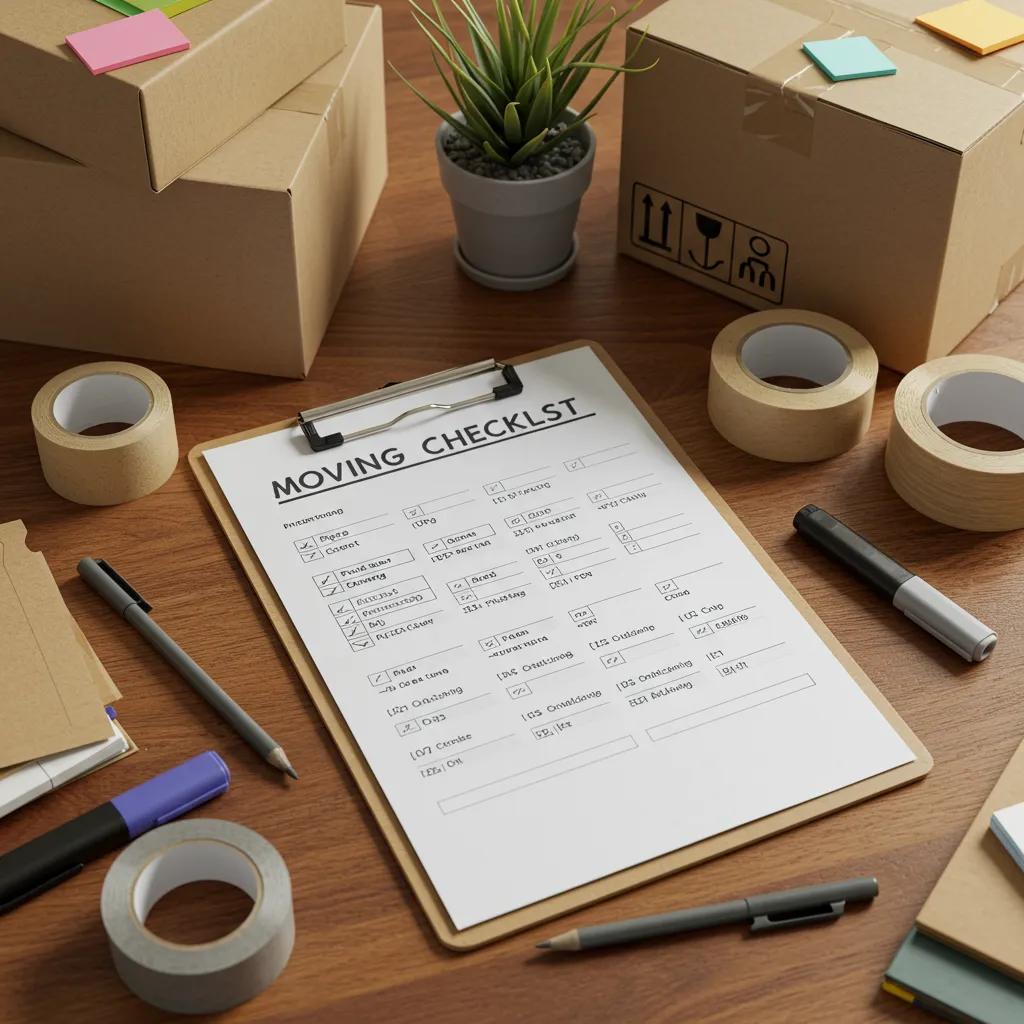
Moving long distances means relocating across state lines or over a significant geographic area where logistics, timing, and regulations differ from local moves. Mastering these elements will reduce your costs, risks, and stress. This guide provides essential tips for long-distance relocation, practical checklists for an interstate moving guide, packing strategies for a cross-country move, and clear advice on costs and timelines so you can plan with confidence. Many households underestimate the documentation, packing, and routing tasks required for an interstate move. This article explains why each step matters and how to manage weight, volume, and legal requirements to avoid surprises. You’ll find an actionable long-distance moving checklist, top cross-country moving tips, guidance on choosing long-distance movers, cost breakdowns with an EAV table to compare pricing drivers, and step-by-step packing procedures for fragile and specialty items. The sections ahead cover timelines, route and schedule planning, legal and documentation must-dos, money-saving tactics, family and pet logistics, and post-move tasks, so you can turn planning into a smooth relocation. Throughout, keywords like essential tips for long-distance relocation, long-distance moving tips, interstate moving guide, and how to pack for a long-distance move are integrated to help you focus on practical steps and outcomes.
What Is a Long Distance Moving Checklist and Why Is It Essential?
A long-distance moving checklist is a phased task list that sequences preparation, packing, documentation, and logistics so your relocation proceeds with fewer missed steps and clearer cost control. By breaking the move into defined phases (months out, weeks out, days out), the checklist makes it easier to manage inventory, secure binding estimates, and confirm insurance and transport options. This systematic approach reduces the chance of last-minute surcharges and legal oversights. The checklist’s benefit is predictable progress and easier communication with movers and service providers, which improves timing and decreases stress. Below is a concise numbered timeline checklist you can use as the core of your interstate moving guide; it focuses on essential actions that protect valuables, organize paperwork, and prepare family and pets.
A practical moving timeline checklist:
- 8+ weeks out: Inventory, declutter, request quotes, and schedule movers.
- 4–6 weeks out: Confirm written estimates, gather documents, and begin nonessential packing.
- 2 weeks out: Finalize utilities, label boxes, and prepare pet/child travel plans.
- 1 week out: Pack essentials box, confirm pickup window, and prepare vehicle/registration paperwork.
- 72 hours: Verify inventory list, charge electronics, and confirm mover arrival details.
- Move day: Supervise loading, sign bill of lading, and track truck or carrier.
This numbered checklist provides a clear timeline that you can copy into a planner or checklist app. Using it reduces errors and helps you confirm on-site estimates and binding versus non-binding quotes. The next subsection lists specific items to include in your long-distance moving checklist so you can flesh out categories and avoid common omissions.
Which Items Should You Include in Your Long Distance Moving Checklist?

Your checklist should categorize tasks into preparation, packing, documentation, logistics, and family/pet arrangements so nothing critical is overlooked during a cross-country move. Preparation tasks include inventory and decluttering to reduce weight and cost; packing tasks cover room-by-room boxing and specialty crating; documentation tasks list IDs, vehicle papers, and insurance forms; logistics cover scheduling, on-site surveys, and storage-in-transit decisions. Must-not-forget items include prescription medications, original documents (birth certificates, passports), high-value items, and an essentials box for the first 72 hours in your new home. Organizing tasks by category helps prioritize early deadlines and ensures you allocate contingency funds for unexpected access or timing charges, which ties directly into how you compare moving quotes.
How Can a Checklist Simplify Your Cross Country Moving Process?
A checklist simplifies a cross-country move by converting broad tasks into specific actions with deadlines, thereby reducing cognitive load and the risk of missed steps that create cost or delay. For example, assigning “schedule on-site survey” to the 6-week window prevents last-minute estimate discrepancies and clarifies whether pricing is based on weight or volume; this prevents surprise reweight charges at delivery. A concrete scenario: a family that used a phased checklist avoided storage surcharges by booking storage-in-transit early and consolidating small shipments, demonstrating the checklist’s direct impact on budget and timing. The clarity from a checklist also streamlines communications with movers and vendors, which prepares you for the next operational topic: when to start preparing these tasks.
When Should You Start Preparing Your Moving Checklist?
Start your long-distance moving checklist as soon as the move is confirmed, ideally 8+ weeks before moving day for cross-country relocations, because lead time affects pricing, availability, and legal preparations. For tighter schedules, prioritize documentation, on-site surveys, and essentials provisioning within the first 2 weeks to prevent delays; short-notice moves require immediate decluttering and rapid quote collection. Use periodic checkpoints—8+ weeks, 4–6 weeks, 2 weeks, 72 hours—to measure progress and assign owners for each task, such as who handles vehicle registration or medical records for pets. Early planning also provides flexibility to book off-peak dates and secure lower-cost shipping windows, which connects to top cross-country moving tips in the next section.
What Are the Best Cross Country Moving Tips for a Stress-Free Move?
The best cross-country moving tips combine early planning, route optimization, secure packing, and clear communication with movers to reduce cost and stress during a long-distance relocation. Planning early secures better rates and gives time for on-site surveys that produce binding estimates; route optimization reduces transit time and exposure to weather-related delays; secure packing protects high-value items during prolonged transit. Implementing these strategies improves your timeline control and reduces the chance of loss or damage, which makes choosing the right mover and preparing packing protocols more effective. Below are core recommendations to implement immediately as part of your interstate moving guide.
Top cross-country moving tips:
- Plan early: Request on-site surveys and schedule movers 6–8 weeks ahead for peak reliability.
- Declutter and downsize: Reduce weight to lower volume- or weight-based pricing.
- Document thoroughly: Create a detailed inventory and photograph valuables before pickup.
- Pack for transit: Use sturdy double-wall boxes and distribute weight evenly to prevent damage.
- Book off-peak: Choose mid-week or off-season dates to capture lower rates and better availability.
- Confirm insurance/valuation: Understand mover liability and consider supplemental insurance for high-value items.
- Prepare family logistics: Plan pet travel, child care, and essentials so move day runs smoothly.
This list summarizes high-impact actions that translate to lower costs and smoother execution; implementing them leads naturally to planning your route and schedule, which is the next operational task to tackle.
How Do You Plan Your Route and Schedule for Interstate Moving?
Route and schedule planning for interstate moving optimizes travel windows, avoids severe weather corridors, and aligns pickup/delivery windows with carrier schedules to minimize layovers and storage-in-transit time. Start by mapping preferred transit corridors, factoring in seasonal weather, tolls, and legally required vehicle registrations if driving; for carrier transport, confirm pickup and estimated delivery windows and secure guarantees for dates when possible. Include contingency buffers—extra days for weather or mechanical delays—and plan overnight stops that prioritize safe parking and family needs, which reduces stress during the journey. Effective route planning also helps you choose between drive-yourself options and door-to-door long-distance removal services based on time, cost, and risk tolerance.
What Are the Top Packing Strategies for Long Distance Moves?
Effective packing strategies for long-distance moves focus on durability, inventory control, and smart weight distribution so goods survive extended handling and transportation. Pack room-by-room and create an essentials box for immediate needs, using an inventory checklist to track contents and reduce disputes on delivery; prioritize protective wrapping, cushioning, and crate use for fragile and high-value items. Label boxes with room, contents, fragility, and priority to speed unpacking and make claims easier if damage occurs, which links directly to specialized packing for delicate items. The techniques below refine fragile-item protection and materials selection to ensure safe transport over long distances.
How to Pack Fragile Items Safely for Long Distance Moving
Packing fragile items for long-distance moving requires layering protection, using correct box sizes, and securing items to prevent shifting during transit; crating is recommended for antiques and artwork to prevent structural damage. Begin with clean, wrapped items in tissue or acid-free paper, add cushioning like bubble wrap or foam, place in double-wall boxes with void-fill, and tape and label clearly; smaller items should be nested and cushioned to prevent movement. Photographic documentation of condition before packing supports any later claims and helps inventory accuracy, while professional crating for high-value pieces reduces risk. When in doubt, request specialty packing service to preserve condition during long-haul transport.
By carefully packing fragile items, you can significantly reduce the risk of damage during transit.
What Packing Materials Are Best for Cross Country Moves?
The best packing materials for cross-country moves combine strength and cushioning to withstand multiple handling points and long vibration exposure; recommended items include double-wall boxes for heavy goods, rigid dish packs for kitchenware, foam corner protectors for furniture, and mattress covers for bedding. Use heavy-duty tape, heavy-rated stretch wrap for furniture, and moving blankets to protect against scratches and abrasion; bubble wrap and paper remain the most effective void-fill for fragile items. Source materials affordably by comparing box suppliers, rental options for specialty crates, or recycling sturdy boxes from local retailers when available. Choosing the right materials reduces damage risk and can be a decisive factor when comparing binding estimates or insurance coverage.
How to Use an Interstate Moving Guide to Navigate Your Move Efficiently?
An interstate moving guide outlines required legal steps, documentation, and decision criteria for vetting long-distance movers so you comply with regulations and secure reliable service across jurisdictions. The guide explains the bill of lading, inventory procedures, ID and vehicle paperwork, insurance and valuation options, and how to verify mover credentials through regulatory databases; this structure reduces legal and financial surprises. Understanding these elements allows you to demand clear written estimates and binds the mover to agreed terms where possible, improving accountability. The next subsections explain the key legal documents, selection checklist for movers, and common challenges with mitigation tactics.
What Legal and Documentation Steps Are Required for Interstate Moving?
Interstate moving requires specific documentation including a bill of lading that becomes the contract of carriage, a detailed inventory list for delivery verification, personal identification for adults, and vehicle registration or title paperwork for transported cars. Insurance and valuation options should be reviewed carefully: standard carrier liability may not fully cover replacement cost for high-value items, so consider supplemental insurance or declared value coverage for protection; document chosen coverage in writing. Verify mover credentials by requesting license and insurance information, and check regulatory databases or official registries to confirm active status—document verification reduces fraud risk and clarifies claims processes. Preparing these documents early prevents last-minute delays and streamlines claims if damage occurs.
How Do You Choose the Right Long Distance Movers?
Choose the right long-distance movers by applying a checklist that verifies licensing, insurance, written estimates, references, and a clear explanation of binding versus non-binding estimates so you can compare offers on equal terms. Ask for an on-site or virtual survey to obtain accurate weight- or volume-based estimates, request a written contract that lists all line-items (packing, fuel, storage), and obtain references or verified reviews that speak to delivery accuracy and claim resolution. Understand estimate types: binding moves lock price based on inventory, while non-binding estimates can rise with actual weight—ask for an explanation and preferred contractual terms. After vetting movers, you may choose to request a free quote or book moving and storage services via the company’s website, which serves as a lead generation and information hub for tailored estimates and scheduling.
What Are the Common Challenges in Interstate Moving and How to Overcome Them?

Common interstate moving challenges include delivery delays, weight/volume discrepancies, damaged items, and unanticipated fees; overcome these risks with a detailed inventory, photographic evidence, contingency funds, and confirmed pickup/delivery windows. For delays, maintain flexible scheduling and consider storage-in-transit options; for weight disputes, insist on scale tickets or certified weigh-ins as part of the process. When damage occurs, document condition immediately, reference your bill of lading and insurance/valuation terms, and file claims promptly within specified timelines to preserve rights. These mitigation steps reduce cost surprises and maintain control over the move, leading into the next major consideration: the cost drivers and how to save money.
What Is the Cost of Long Distance Movers and How Can You Save Money?
The cost of long-distance movers is driven by distance, weight or volume, access difficulty, timing, and additional services such as packing, crating, and storage-in-transit; understanding these drivers helps you estimate and reduce fees. Pricing models commonly use weight (pounds) or volume (cubic feet) combined with distance-based rates and surcharges for stairs, long carries, or remote pickup/delivery locations. Comparing binding versus non-binding estimates and requesting line-item breakdowns enables apples-to-apples comparisons and reveals where savings can be realized. The table below compares primary service types and cost factors to give a clearer picture of typical impacts and where you can control expenses.
Intro to cost comparison table: the following table shows how service attributes influence pricing and typical impact ranges to help you identify high-impact savings opportunities.
| Service Type | Cost Factor | Typical Range / Impact |
|---|---|---|
| Long-haul transport | Distance (miles) | High impact; increases roughly with mileage tiers |
| Inventory-based pricing | Weight / Volume | High impact; reducing weight lowers cost proportionally |
| Access & handling | Stairs, elevators, long carries | Medium impact; can add flat time-based fees |
| Additional services | Packing, crating, storage-in-transit | Variable impact; packing can add 10–30%+ to total |
Which Factors Influence the Price of Long Distance Moving Services?
Price factors for long-distance moving include mileage, the weight or volume of your shipment, access complexity at origin and destination, required packing/crating services, and timing (peak-season surcharges). Distance affects fuel and driver time; weight/volume determines carrier capacity and may shift pricing from volume to weight models; access constraints add labor time and fees, while special services such as appliance servicing or piano moves require equipment and expertise. Controlling these factors—decluttering to reduce volume, scheduling off-peak, and improving access—directly lowers estimates and simplifies comparisons when you request binding quotes. Understanding these drivers lets you focus on the highest-return savings actions before you ask for tailored estimates.
How to Get Accurate Moving Quotes and Compare Costs?
To get accurate moving quotes, request an on-site or virtual survey, demand a written estimate with a line-item breakdown (packing, fuel, storage, insurance), and ask whether the quote is binding or non-binding; collect at least three quotes to compare. Use a mini-checklist when evaluating quotes: confirm included services, clarify the pickup and delivery windows, verify insurance and valuation coverage, and ask about seasonal surcharges or access fees. A sample comparison should highlight identical scope items so you can compare total costs and not just hourly or per-pound figures. After narrowing options, many people compare free quotes and obtain a tailored estimate through the company’s website to finalize scheduling and services.
What Are Money-Saving Tips When Hiring Long Distance Movers?
There are several money-saving tactics when hiring long-distance movers that range from behavioral changes to contract negotiation and service bundling. Decluttering and selling or donating items before the move reduces weight and volume charges, scheduling mid-week or off-season dates lowers demand-driven pricing, and doing partial packing yourself reduces labor line-items while leaving specialty packing to professionals. Obtain multiple quotes, ask about price-matching or bundled services, and document access details to avoid surprise labor fees; these tactics frequently reduce total cost by meaningful percentages. The next section translates savings into actionable packing and organization techniques that protect goods and support lower estimates.
How to Pack Efficiently for a Long Distance Move?
Packing efficiently for a long-distance move means using methods that maximize protection, minimize weight where possible, and simplify unpacking so your belongings survive long transit and handlers can process inventory quickly. A strong approach combines room-by-room packing, an essentials box for immediate use, inventory tagging, and proper weight distribution across boxes to prevent overloading; fragile and specialty items require crating or professional handling. The table below gives quick-reference guidance for common and difficult items to help you match packing method and materials to item type.
Intro to packing table: this reference summarizes recommended packing methods and required materials for typical household items to streamline packing decisions.
| Item Type | Recommended Packing Method | Required Materials |
|---|---|---|
| Electronics | Original boxes if available; anti-static wrap | Foam, bubble wrap, sturdy boxes |
| Glassware / China | Wrap individually, use dish packs | Paper, dividers, dish pack boxes |
| Large furniture | Disassemble when possible, use padding | Moving blankets, straps, wrap |
| Artwork / Mirrors | Crating for high-value pieces | Custom crate, corner protectors, acid-free paper |
What Are the Best Packing Techniques for Different Types of Belongings?
Different belongings require tailored packing techniques: textiles and clothing can be packed in wardrobe boxes to save time; electronics need anti-static protection and original packaging when possible; kitchenware should be nested and cushioned in dish packs; and furniture benefits from disassembly, wrapping, and hardware bags. Distribute weight by keeping heavy items in small boxes and light items in larger boxes to protect box integrity and make lifting safer for crews; always label boxes with room, contents, fragility, and priority to speed delivery placement. For high-value items, consider specialty crating or professional packing services to control risk. These techniques reduce damage exposure and make line-item comparisons more transparent when evaluating mover quotes.
How to Label and Organize Boxes for Easy Unpacking?
Labeling and organizing boxes effectively uses a consistent schema—room name, brief contents, fragility, and priority number—to streamline delivery placement and fast unpacking. A simple labeling template might read: “Kitchen — Pots/Pans — Fragile — Priority 2,” and combine color-coded tape or stickers for room identification that movers can follow. Maintain an inventory spreadsheet or numbered list that maps box numbers to contents to aid claims and speed retrieval of essentials on arrival. An organized labeling system directly supports efficient unpacking and transitions into essential supplies recommendations that follow.
What Are the Must-Have Packing Supplies for Long Distance Moving?
Prioritize quality packing supplies: double-wall boxes for heavy items, dish packs for kitchenware, heavy-duty tape, bubble wrap, stretch wrap, moving blankets, and mattress covers provide protection that endures long transit. Optional upgrades include custom crates for artwork, wardrobe boxes for clothing, and corner protectors for furniture; rent specialty items when crating costs exceed replacement value. Source supplies through multiple vendors or consider reuse of sturdy boxes to lower costs while keeping protection standards high. Investing in the right materials prevents damage claims and reduces replacement costs after delivery.
In addition to these packing techniques, if you prefer professional assistance you can book full-service packing or specialty packing for fragile items via the company’s website, which functions as a lead generation and information hub to arrange services tailored to long-distance needs.
How to Prepare Yourself and Your Family for a Successful Long Distance Move?
Preparing yourself and your family for a long-distance move involves emotional readiness, practical scheduling, and creating routines that maintain stability during disruption so everyone adapts faster in the new location. Acknowledge stressors and assign age-appropriate tasks to family members to promote involvement and reduce anxiety; keep familiar routines where possible and plan small milestones to celebrate progress. Practical preparation includes gathering medical records, school documentation, and a family essentials kit for travel day that contains snacks, chargers, and comfort items for children and pets. The next subsections cover emotional strategies, managing pets and children, and organizational tools to maintain control across the relocation timeline.
What Are the Emotional and Practical Tips for Moving Cross Country?
Emotional and practical preparation for moving cross country combines open communication, realistic timelines, and rituals that preserve continuity, such as packing a “first-night” box with favorite items and creating countdown milestones. Discuss the move with family members, assign responsibilities, and plan transitional visits if possible to acclimate children to the new environment. Practical steps like transferring school records, maintaining healthcare continuity, and scheduling social goodbyes reduce emotional disruption and logistical friction. These practices smooth the transition and prepare the household for the travel and unpacking phases ahead.
How to Manage Moving with Pets and Children?
Managing moving with pets and children requires advance preparation of medical documents, travel comfort kits, and a clear travel-day plan to minimize stress; bring familiar bedding, medication, and a feeding schedule to preserve routines. For pets, secure up-to-date vaccination records and arrange safe transport carriers; for children, assemble activity kits, snacks, and a carry-on with essentials to reduce anxiety on travel days. Schedule travel segments around nap and feeding times when possible, and designate a trusted adult to supervise during loading and unloading to keep kids and pets safe. These measures ensure family safety and stability while professional movers handle large-scale logistics.
What Are the Best Ways to Stay Organized During the Moving Process?
Staying organized during the moving process uses tools like shared checklists, a move binder with contracts and documents, spreadsheets for inventory and quotes, and moving apps that sync tasks across family members to maintain accountability. Assign a central document repository and a single point of contact for vendor communications to prevent duplicate work or missed deadlines. Conduct weekly progress reviews against your timeline checklist and adjust assignments as needed to keep momentum. These organizational habits reduce last-minute scrambling and make unpacking and post-move setup more straightforward.
What Are the Final Steps to Take After Your Long Distance Move?
Final steps after a long-distance move focus on efficient unpacking, administrative updates, and evaluating your movers so you close the relocation loop and establish stability in your new home. Prioritize unpacking essentials for bedrooms, kitchen, and bathroom during the first 72 hours, then plan paced room-by-room unpacking to avoid overwhelm; immediate actions include setting up utilities and verifying safety systems. Administrative tasks such as change of address, vehicle registration updates, and insurance notifications should follow a prioritized schedule within the first week to a month. The following subsections give a 3-day unpacking plan, administrative checklists, and guidance on providing feedback and filing claims if needed.
How to Unpack and Settle Into Your New Home Efficiently?
Unpack and settle efficiently by following a prioritized 3-day plan that gets essential living spaces functional while deferring non-urgent items to a staged schedule to prevent fatigue. Day 1 should focus on bedrooms, bathroom, and kitchen essentials box; Day 2 can handle major furniture placement and utility checks; Day 3 completes key setups like internet, safety devices, and functional storage for daily items. Pace full unpacking over weeks to avoid burnout and use your labeled inventory to place boxes in the correct rooms immediately, which speeds setup. A staged approach helps you live comfortably fast while planning longer-term organization projects.
What Are the Important Post-Move Tasks to Complete?
Important post-move tasks include filing a change of address with mail services, updating insurance policies and vehicle registration, transferring medical records, and registering children for school if applicable; these tasks should be scheduled within one week to one month depending on local deadlines. Contact utility and internet providers to confirm service activation and inspect the home for any mover-related damage documented against the inventory list. Keep a checklist with deadlines and confirmation numbers for each administrative item to avoid missed legal or financial obligations. Completing these tasks promptly avoids penalties and ensures services and coverage are uninterrupted.
How to Provide Feedback and Review Your Long Distance Movers?
Provide feedback and review your long-distance movers by first documenting delivery condition, collecting supporting photos and inventory notes, and reviewing your contract to confirm claim procedures, timelines, and insurance steps. If damage occurred, contact the mover promptly, reference the bill of lading, and follow the documented claims process; keep copies of correspondence and receipts for repairs. Once issues are resolved, leave constructive reviews that describe responsiveness, condition on delivery, and professionalism to help other customers. Clear documentation during delivery and timely communication with the mover increase the likelihood of smooth claims resolution and fair outcomes.
For planning, comparing quotes, or booking services including moving and storage, you can request a tailored estimate or schedule services through the company’s website, which serves as a lead generation and information hub to help convert planning into booked services and confirmed dates. This resource can assist with arranging binding estimates, scheduling specialty packing, and coordinating storage-in-transit options to complete your long-distance relocation successfully.


