Moving Checklist for Your First Apartment
The first apartment move often looks easy until you realize your mattress needs a way upstairs, the power is not on, and the lease requires a move-in appointment. A practical moving checklist for first apartment renters turns those small surprises into a clear plan, so you can spend move-in day getting settled instead of solving avoidable problems.
Start Your First Apartment Moving Checklist Early
Once your lease is signed, read it again with a highlighter. Confirm your exact move-in date, building entrance, elevator rules, parking instructions, loading-dock access, pet requirements, and proof-of-insurance requirements. Many apartment communities in Nashville, Knoxville, and surrounding Tennessee cities have limited move-in windows. Missing one can mean waiting hours or paying for a rescheduled delivery.
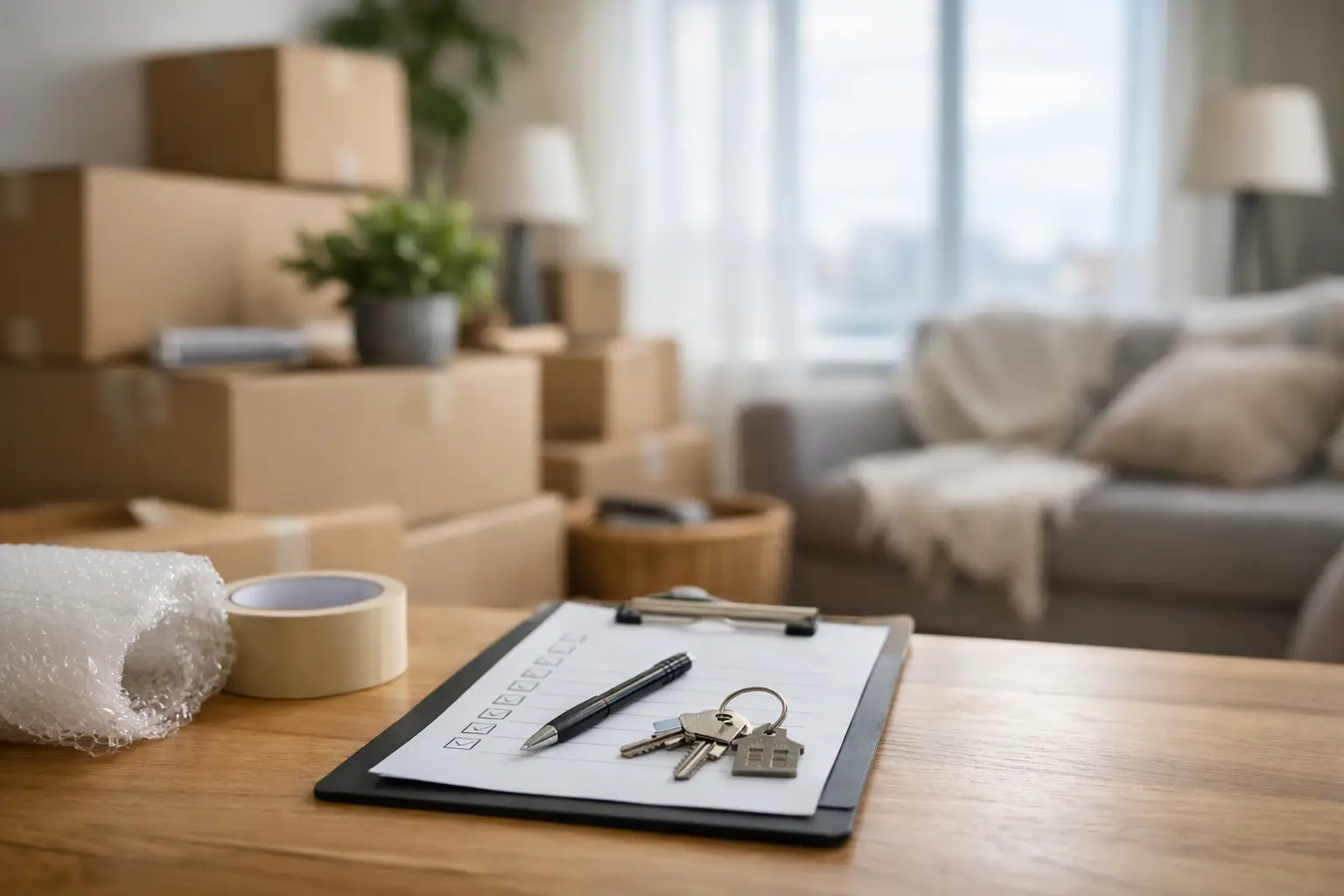
Create a simple moving folder, either on paper or on your phone, for the lease, renter’s insurance policy, utility account numbers, move-in inspection forms, and mover information. Keep the property manager’s phone number there, too. If a gate code changes or an elevator is unavailable, you will not be searching through old emails while a moving crew waits outside.
Budget for more than rent and the security deposit. First-time renters are often surprised by application fees, utility deposits, parking fees, moving supplies, cleaning items, groceries, and the first few pieces of furniture. Decide what must be purchased before move-in and what can wait. A bed, shower curtain, basic cookware, and cleaning supplies matter more on day one than wall art or a matching coffee table.
Two to Four Weeks Before Moving Day
Notify the right people of your new address and arrange services before you need them. Your list should include:
- Electric, gas, water, trash, internet, and renter’s insurance providers
- Your employer, school, bank, credit card companies, and insurance carriers
- USPS mail forwarding and pharmacy updates
- Your doctor, subscription services, and any delivery accounts
Utility timing depends on the apartment. Some communities include water or trash, while others require separate accounts in the renter’s name. Ask the leasing office exactly what is included and when each service must begin. Schedule internet early if you work from home, take online classes, or simply do not want your first night spent using weak phone service.
If you are hiring movers, request a written estimate after explaining the full picture: floor number, elevator availability, long hallways, stairs, oversized furniture, and any stops along the way. The lowest quote is not always the lowest final cost if access details were left out. Choose a licensed and insured moving company that communicates clearly about what is included.
Sort Before You Pack
A first apartment is a fresh start, not a reason to haul every item from your childhood bedroom. Go room by room and separate belongings into keep, donate, sell, recycle, and discard piles. This reduces the number of boxes, the cost of the move, and the clutter that can make a smaller apartment feel crowded from the start.
Be realistic about what fits. Measure major furniture and compare it with your new apartment’s room dimensions, doorways, stairwells, and elevator size. That large sectional may be comfortable, but it can overwhelm a studio or fail to fit around a tight apartment hallway. When measurements are close, choosing a smaller piece can save a stressful and expensive problem on move-in day.
Pack similar items together, but do not make boxes too heavy. Books, dishes, and canned goods should go in smaller boxes. Linens, pillows, and clothing can fill larger boxes. Label each box with the room and a few key contents, such as “Kitchen – mugs and utensils” rather than simply “Kitchen.” You will appreciate that detail when you need a coffee mug before every box is unpacked.
Pack an Open-First Box
Keep one clearly marked box or tote with the items you need immediately. Bring it with you rather than loading it deep in the truck. Include:
- Lease documents, ID, keys, charger, medications, and basic tools
- Toilet paper, paper towels, trash bags, soap, and a small first-aid kit
- A change of clothes, pajamas, towels, and bedding
- Snacks, bottled water, coffee supplies, and pet essentials if applicable
- Scissors, box cutter, tape, light bulbs, and a phone charger
This is also a smart place for cleaning spray, sponges, and a broom. Even a well-maintained apartment may need a quick wipe-down before boxes arrive.
One Week Before the Move
Confirm the details that can disrupt a move. Call the apartment office to verify your move-in time, key pickup process, parking location, and elevator reservation. Check the weather, especially if you are moving during Tennessee’s hot summers or a rainy season. Rain protection, extra towels, and a clear plan for slippery stairs are worthwhile when conditions are uncertain.
Finish packing all but the items you use daily. Defrost and clean the refrigerator if you are taking it, empty trash cans, and set aside anything that should travel in your personal vehicle. Important documents, jewelry, cash, sentimental items, and prescription medications are generally better kept with you.
Take photos of valuable furniture and electronics before they are moved. Then, before leaving your old place, photograph every room after it is empty and cleaned. Those photos can help document the condition of the property when it is time to discuss a security deposit.
Move-In Day: Protect Your Time and Your Belongings
Arrive early enough to complete the apartment inspection before unloading everything. Test lights, outlets, faucets, toilets, appliances, locks, smoke detectors, heating and air conditioning, and windows. Take dated photos or video of any existing scratches, stains, dents, or damage. Submit the move-in condition form on time, even if the office says they already know about an issue.
Direct boxes to the correct rooms as they come inside. This takes a few minutes but prevents your living room from becoming a wall of unlabeled boxes. If professional movers are handling the job, walk them through the apartment, point out fragile items and furniture placement, and keep pathways clear.
Do not rush to unpack everything. Start with the bedroom, bathroom, and kitchen basics. Making the bed, hanging the shower curtain, and setting up a place to charge your phone creates a livable space quickly. The rest can happen over the next several days.
Handle Apartment-Specific Tasks
Apartment living comes with a few details that homeowners may not consider. Learn where packages are delivered, how trash and recycling work, where guests park, and whether laundry requires a card or app. Introduce yourself to nearby neighbors when it feels natural. A friendly connection can be helpful if a package arrives while you are away or you need to understand building routines.
Check your renter’s insurance coverage after you move in, especially if you bought new electronics or furniture. Renter’s insurance is usually affordable, but coverage limits and deductibles vary. It is designed to protect your personal belongings, not the building itself, so make sure the policy fits what you own.
When Professional Help Makes Sense
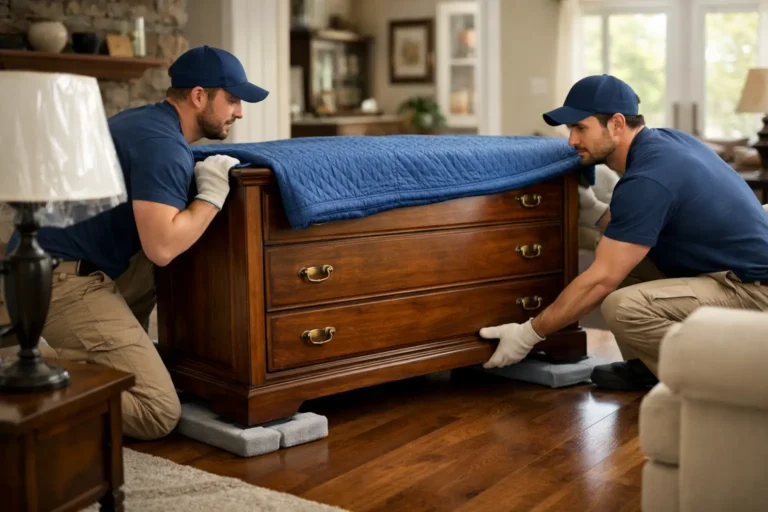
A DIY move can work for a small load and an easy ground-floor setup. It becomes less practical when you have stairs, heavy furniture, a tight move-in window, or no reliable help to lift and transport your belongings. Professional movers can handle packing, loading, transport, and unloading while reducing the physical strain and risk of damage.
For first-time renters, the value is often in predictability. You know who is responsible for the truck, the lifting, and the schedule. Good Time Moving & Storage provides licensed, insured moving support for apartment residents across Tennessee, with professional crews prepared to handle the details that make a move feel bigger than expected.
Your first apartment does not need to be perfectly furnished or fully unpacked by bedtime. Get the essentials in place, keep your move-in paperwork organized, and give yourself room to settle in one box at a time.