Do Movers Disassemble Beds Before Moving?
A bed frame can be the last thing you want to deal with after a long day of packing, especially when it will not fit through a bedroom door or down an apartment stairwell. So, do movers disassemble beds? In most cases, professional full-service movers can disassemble standard bed frames when that service is included in your estimate or requested before moving day.
The key is knowing what type of bed you own, what your moving company includes, and what should be handled before the crew arrives. A quick conversation ahead of time prevents delays, protects your furniture, and helps you avoid unexpected costs.
Do Movers Disassemble Beds as Part of a Move?
Most professional movers disassemble basic furniture as needed to move it safely, and that often includes bed frames. A standard metal frame, wood platform bed, simple headboard and footboard setup, or conventional rail bed usually needs to come apart before it can be carried through tight hallways, staircases, elevators, or doorways.
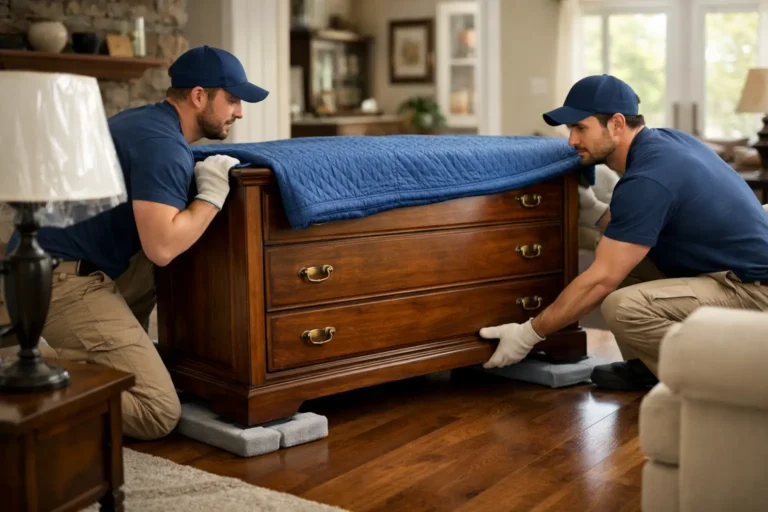
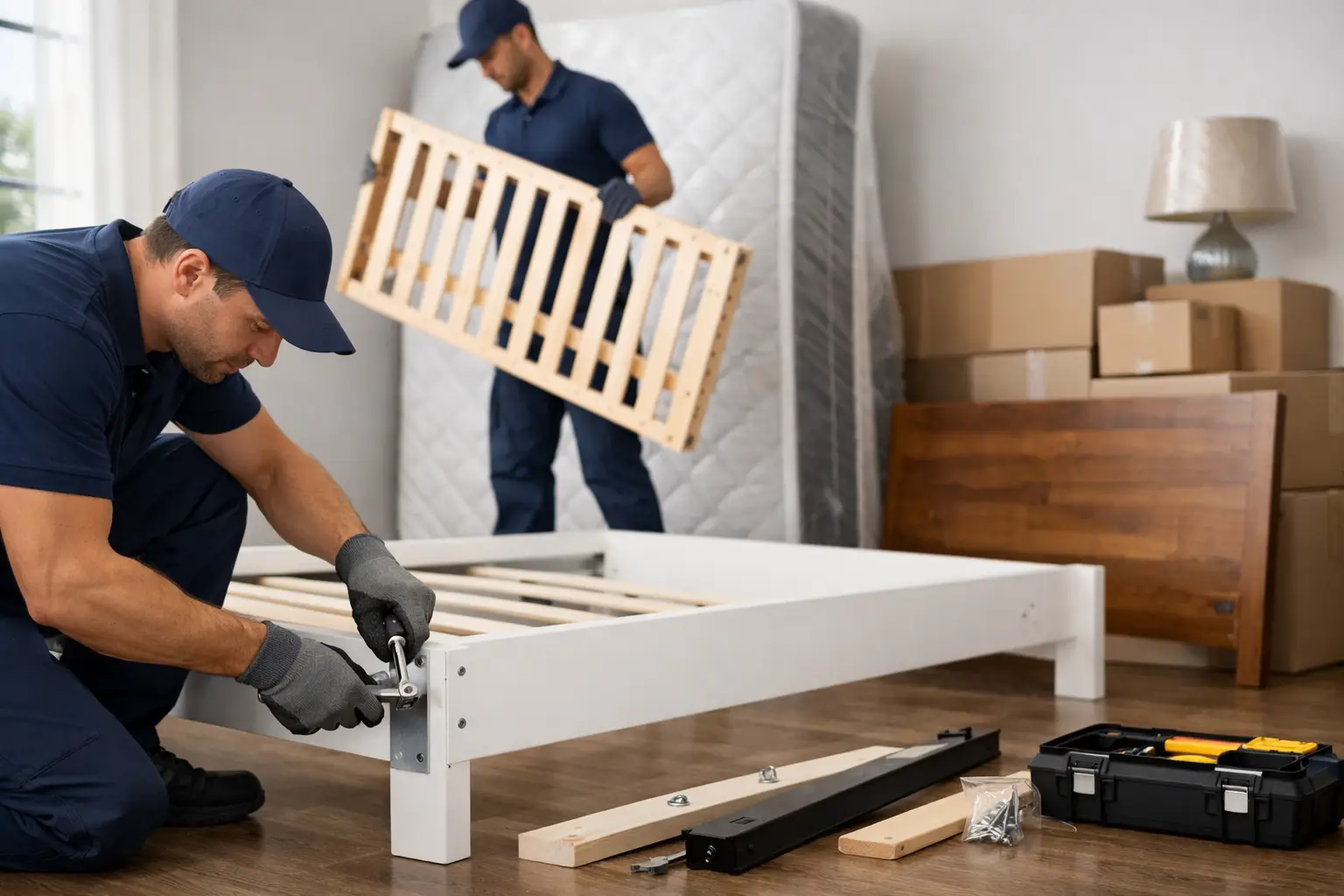
For a full-service move, the crew may remove slats, detach side rails, take apart the frame, and secure each piece with moving pads and stretch wrap. At your new home, they can typically reassemble the bed in the room you choose. This is one of the practical advantages of hiring licensed and insured movers rather than trying to force large furniture through a doorway yourself.
However, bed disassembly is not automatic with every moving company or every service level. Some labor-only, hourly, or basic loading services may require you to have furniture ready before the team arrives. Others include simple disassembly but charge separately for more complicated items. Ask for the details in writing when you request your moving estimate.
Which Beds Usually Need to Be Taken Apart?
Whether movers need to disassemble your bed depends on its size, construction, and the path out of your home. A twin metal frame may fit through wide doors without much work. A king-size wood frame in an upstairs Nashville home almost certainly will not.
Standard bed frames are generally straightforward. These include basic metal frames, headboards and footboards attached with bolts, wooden rails, platform frames, and many slat-style beds. Experienced movers bring common hand tools and know how to handle the parts without scratching floors or damaging the frame.
Beds with built-in storage can require more time. Drawer bases, lift-up platforms, and captain’s beds are heavier and have additional components that must be protected. If the bed has delicate trim, an upholstered headboard, mirrored panels, or a custom finish, point that out during the estimate so the crew can plan for proper padding and handling.
Bunk beds, loft beds, and trundle beds are also commonly disassembled, but they take longer because they have more rails, safety pieces, ladders, and hardware. The same applies to large canopy beds. These are manageable for a qualified crew, but they should be listed on your inventory rather than treated as an ordinary bed frame.
Beds That May Need Special Arrangements
Some beds fall outside the scope of routine furniture disassembly. Adjustable bed bases are the clearest example. They contain motors, wiring, remote controls, and moving mechanical parts. Movers may be able to transport the base, but disassembly, electrical work, or mechanical repairs may not be included.
Sleep number-style beds can also need special preparation. Their air chambers, pumps, hoses, and electronics may have manufacturer-specific instructions. In many cases, the owner should deflate the mattress and disconnect components before the movers arrive. Keep the remote, power cords, manuals, and specialty hardware together in a labeled box that travels with you.
Antique beds and custom-built frames deserve extra attention. Older furniture can have weakened joints, handmade fasteners, or parts that do not respond well to repeated assembly and disassembly. Let your movers know about the piece early. They can assess whether it can be moved safely, whether it needs special protection, or whether a furniture specialist should be involved.
Murphy beds are another exception. Because they are attached to a wall and may use heavy springs or lifting mechanisms, they often require a qualified installer or technician. A moving crew should not remove a built-in bed unless that work has been specifically approved and planned.
What Movers Typically Do Not Disassemble
Professional movers focus on safe transportation, not every task connected to setting up a home. They generally do not handle work that requires a licensed electrician, plumber, contractor, or manufacturer-trained technician. That can include disconnecting hardwired lighting, removing wall-mounted furniture, handling gas components, or servicing complex mechanical bed systems.
Movers may also decline to take apart furniture that is already damaged, unstable, or likely to break during disassembly. That is not a lack of effort. It is a responsible decision that protects your belongings and reduces the chance of an injury on moving day.
If you are unsure about a particular bed, send clear photos during the estimate process. A photo of the full bed, the underside of the frame, and any special mechanisms gives the moving company a better picture of the work involved.
How to Prepare Your Bed Before Moving Day
You do not need to pull apart a standard bed frame before a full-service crew arrives unless your mover asks you to. Still, a few simple steps make the process faster and safer.
Strip the bed completely and pack sheets, blankets, pillows, and mattress pads in clearly labeled boxes or bags. Remove anything stored under the bed, including loose drawers if they are not built into the frame. Clear a path from the bedroom to the exit so the movers are not navigating around laundry baskets, nightstands, or packed boxes.
If you have the assembly instructions, save them. They can be especially helpful for bunk beds, storage beds, and frames with uncommon hardware. Take a few photos of the bed before it is disassembled, including close-ups of brackets or connection points. Those photos can make reassembly easier if the furniture has a complicated design.
Hardware deserves special attention. Professional crews often bag and label bolts, screws, washers, and other small parts during disassembly. You can also ask where the hardware will be placed. Many customers prefer a labeled bag taped securely to a protected bed rail or kept in a designated parts box. What matters most is having a clear plan so the pieces do not disappear among dozens of cartons.
Do not leave valuables, medications, documents, or fragile personal items in bedside storage or under the mattress. Those items should travel with you, not on the moving truck.
Will Disassembling a Bed Cost Extra?
It depends on the company, the type of move, and the bed itself. Simple disassembly and reassembly may be included in a full-service moving quote. More complex work may take additional labor time or carry a separate service charge, particularly for bunk beds, adjustable bases, oversized frames, or furniture that requires extensive handling.
The best way to avoid surprise charges is to mention every bed during your estimate. Be specific about the size, whether it is upstairs, whether it has storage drawers or an adjustable base, and whether there are tight stairs, elevators, or long carries involved. Accurate information helps the moving company send the right crew, equipment, and amount of time for the job.
A low quote that leaves out furniture disassembly is not always the better value. Reliable movers explain what is included, answer questions before move day, and document any additional services clearly. That kind of planning matters when you are trusting someone with the furniture you use every night.
Questions to Ask Before You Book Movers
Before choosing a mover, ask whether bed disassembly and reassembly are included, which beds the crew can handle, and whether specialty frames carry additional charges. Also ask whether the movers bring the necessary tools and how they keep hardware organized during transport.
It is equally wise to confirm insurance and licensing, especially for large furniture, stairs, and long-distance moves. A professional company should be direct about its process and willing to explain what happens if a piece is too complex or unsafe to take apart.
For Tennessee households moving within Nashville, Knoxville, or surrounding communities, Good Time Moving & Storage can help plan the details before moving day. Sharing an accurate inventory upfront gives the crew the information needed to protect your furniture and keep the move on schedule.
Your bed should be one less concern on an already busy moving day. Confirm the service early, prepare the room, and let an experienced crew handle the heavy, awkward work with the care it deserves.