Key Factors for Selecting Your Ideal Local Furniture Movers
How to Choose a Furniture Moving Company: Practical Tips for Picking Reliable Local Movers

Finding a dependable local furniture moving company makes the difference between a smooth move and a stressful one. With so many options, it helps to know which questions to ask and what to watch for. This guide walks you through the essentials from licensing and insurance to reputation, pricing, and customer service so you can choose a mover who treats your belongings like their own.
If you’re preparing for relocation, explore Top 10 Furniture Protection Tips to Keep Your Furniture Safe During Your Move to learn practical strategies that prevent scratches, dents, and damage during transport.
What Licensing and Insurance Should You Verify Before Hiring Furniture Movers?
Before you hire movers, check their licensing and insurance to protect yourself and your items. Licenses show a company follows state or federal rules; insurance provides coverage if something goes wrong. Knowing what to confirm ahead of time prevents surprises and gives you confidence in your choice.
Why Is Licensing Important for Local Furniture Moving Companies?
Licensing matters because it signals the company operates legally and answers to local or federal agencies. Interstate movers are regulated by the Federal Motor Carrier Safety Administration (FMCSA), while local requirements vary by state and city. A licensed mover is more likely to meet safety and operational standards and is generally a safer bet than an unregistered operator. For interstate moves, for example, a USDOT number shows the carrier meets federal requirements for safety and financial responsibility.
How to Confirm Insurance Coverage and Liability Protection?
Ask the company for a current insurance certificate and verify it with the insurer if you’re unsure. Movers usually offer a basic “released value” option (minimal, often included) and a fuller “full value protection” plan for greater coverage. Make sure you understand which option you’re getting and what it covers so you aren’t surprised if damage occurs.
How Can You Assess the Reputation and Reliability of Local Moving Services?

Reputation tells you how a mover treats customers and handles real moves. Look for patterns in reviews and ask for references to get an honest sense of reliability, punctuality, and care for belongings.
Where to Find Genuine Customer Reviews and Testimonials?
Check independent sites like Google, Yelp, and the Better Business Bureau for customer reviews. Pay attention to recurring comments both praise and complaints and ask friends or family for referrals. Personal recommendations can point you to trustworthy local teams.
What Are Common Red Flags in Moving Company Reviews?
Watch for these warning signs when reading reviews:
- Repeated Complaints: Multiple reports of the same problem late arrivals, damaged items, or poor communication are a bad sign.
- Poor Transparency: If a company won’t explain services, pricing, or policies clearly, proceed with caution.
- Frequent Surprise Charges: Reviews that mention unexpected fees or bait-and-switch pricing suggest you should get everything in writing.
Spotting these red flags helps you avoid movers who might cost you time, money, or peace of mind.
If you’re planning to move to the area, explore Neighborhoods in Murfreesboro, TN: A Local Guide to the Best Areas to Live to compare communities, amenities, schools, and find the right fit for your lifestyle.
What Pricing Models and Transparency Should You Expect from Furniture Movers?
Understanding common pricing methods helps you plan your budget and avoid surprises. Ask for a clear breakdown of costs before you agree to a move.
How Do Hourly, Flat-Rate, and Binding Estimates Differ?
Movers typically price moves in three ways:
- Hourly Rates: You pay for the time the crew spends. This can be economical for short jobs but may increase for larger moves.
- Flat-Rate Pricing: A set price for the whole move, regardless of how long it takes — useful if you want a predictable bill.
- Binding Estimates: A guaranteed price that won’t change even if the move takes longer than expected, assuming the inventory was assessed accurately.
What Hidden Fees Should You Watch Out For?

Some common extra charges to ask about up front:
- Fuel Surcharges: Additional fees for distance or fuel price changes.
- Packing Supplies: Charges for boxes, tape, and specialty packing if not included.
- Stair or Elevator Fees: Extra costs when movers must carry items up or down stairs or use elevators.
Request a full cost breakdown and get key details in writing so you know what’s included and what could add to the total.
Which Specialized Services and Equipment Are Essential for Safe Furniture Moving?
Quality equipment and trained crews matter when you’re protecting valuable or heavy items. Ask what tools and techniques a company uses before you book.
What Specialized Handling Is Needed for Fragile and Heavy Items?
Fragile items like glass or artwork should be wrapped and crated using protective materials; bulky/heavy pieces such as pianos or wardrobes may require dollies, straps, or hoisting gear plus experienced handlers. Confirm a mover’s experience with special items so your valuables arrive intact.
How Does Quality Moving Equipment Protect Your Furniture?
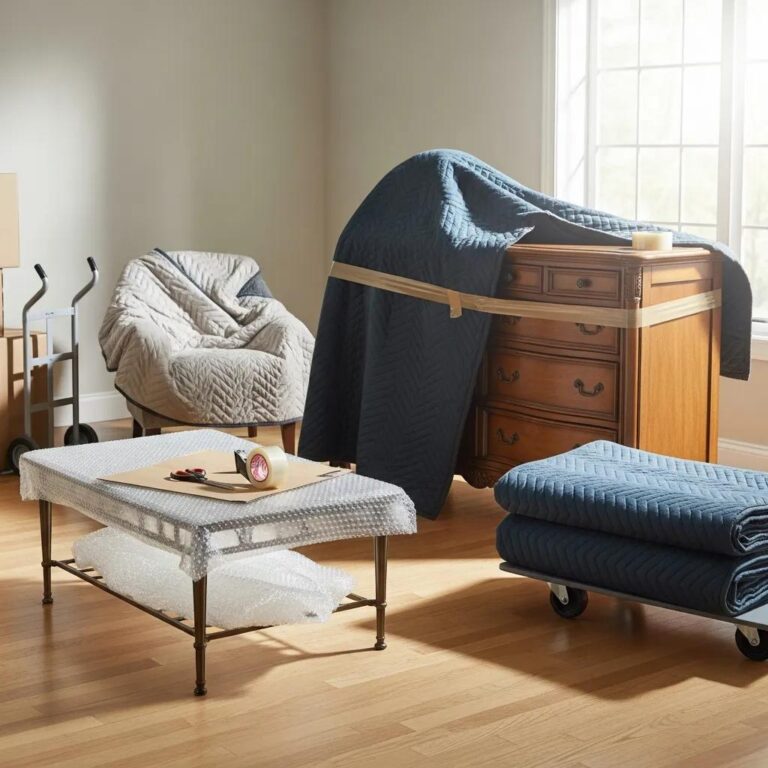
Well-maintained trucks, padded blankets, straps, and proper lifting equipment reduce the risk of damage and injury. A mover that invests in good gear and routine maintenance is more likely to deliver your items safely.
Why Is Professionalism and Customer Service Critical When Hiring Furniture Movers?
Professional behavior and clear communication keep a move on track. The best companies are punctual, courteous, and responsive so you feel informed and supported from booking to delivery.
How Does Clear Communication Enhance Your Moving Experience?
Timely updates, straightforward answers, and someone who listens to your concerns make the day run smoothly. Ask how the company communicates by phone, text, or email and who your main contact will be.
What Should You Expect from Trained and Uniformed Moving Crews?
Trained crews know how to handle items efficiently and safely. Uniforms help identify staff, and professional behavior respectful, careful, and organized keeps the job moving without surprises.
How to Make an Informed Decision: A Checklist for Hiring the Best Local Furniture Movers
Use a short checklist to compare companies and make a confident choice.
What Key Questions Should You Ask Before Hiring?
Before you sign, ask:
- What are your licensing and insurance details? — Confirm they’re current and appropriate for your move.
- Which pricing model do you use? — Know whether you’ll pay hourly, flat-rate, or a binding estimate.
- Do you handle specialty items? — Verify experience and any extra equipment or fees required.
How to Prepare for a Smooth and Stress-Free Move?
Simple preparation makes a big difference:
- Create a timeline: Schedule packing, move day tasks, and any service appointments.
- Declutter: Donate or discard items you don’t need to reduce cost and effort.
- Share details with your movers: Tell them about tight stairwells, fragile items, or parking restrictions so they can plan.
| Pricing Model | Description | Pros | Cons |
|---|---|---|---|
| Hourly Rates | Charged based on the time the crew works | Good for small jobs or local moves | Costs rise with longer jobs |
| Flat-Rate Pricing | One set price for the entire move | Predictable billing | May not cover unexpected delays |
| Binding Estimates | Price guaranteed after an accurate inventory | Budget certainty | Requires a detailed pre-move assessment |
Knowing the pros and cons of each model helps you choose the option that fits your schedule and budget.
| Service Type | Equipment Used | Purpose |
|---|---|---|
| Fragile Item Handling | Bubble wrap, custom crates | Protect delicate pieces during transit |
| Heavy Item Transport | Dollies, hoisting straps | Safely move bulky furniture and appliances |
| General Moving | Moving trucks, padded blankets | Securely transport all household items |
This overview shows common services and tools that help keep your belongings safe from pickup to delivery.
If you’re planning a family outing, explore Things to Do in Nashville With Kids: Family-Friendly Activities for All Ages to discover fun attractions, outdoor adventures, and memorable experiences for every age group.
Frequently Asked Questions
What should I look for in a moving company’s customer service?
Look for responsiveness, clear answers, and a willingness to explain policies. A company that offers personalized help and follows up on concerns usually values customer satisfaction. Check reviews for notes about communication and on-the-day behavior.
How can I prepare my belongings for a move?
Start by decluttering. Pack nonessentials early and use sturdy boxes and padding for fragile items. Label boxes with contents and the room they belong in, and keep an inventory list so nothing goes missing.
What are the benefits of hiring professional movers versus DIY moving?
Pros include professional handling of heavy or delicate items, proper equipment, and faster, safer moves. Hiring pros saves time and reduces injury risk, though DIY may be cheaper for very small or short-distance moves.
How do I handle special items like pianos or antiques during a move?
Tell your mover about these items in advance. They often require special packing, crating, or lifting equipment and experienced crew members. If an item is especially valuable, consider specialty handlers who focus on fine arts or antiques.
What should I do if my moving company damages my belongings?
Document the damage with photos and notes, then contact the company to start a claim. Review your contract and insurance coverage to understand your options. If the company doesn’t respond, you can escalate to consumer protection agencies or pursue other remedies.
Are there any seasonal considerations for moving?
Yes summer is the busiest season, which can mean higher prices and limited availability. Moving in fall or winter can be cheaper and easier to schedule, but watch for weather-related challenges like snow or heat. Plan accordingly.
Conclusion
Choosing the right local furniture movers comes down to checking credentials, reading reviews, understanding pricing, and confirming the equipment and experience you need. Take your time, ask the right questions, and get important details in writing. When you pick a trustworthy team, your move becomes less stressful and your belongings arrive safely. Ready to get started? Reach out to local pros and compare estimates to find the best fit for your move.