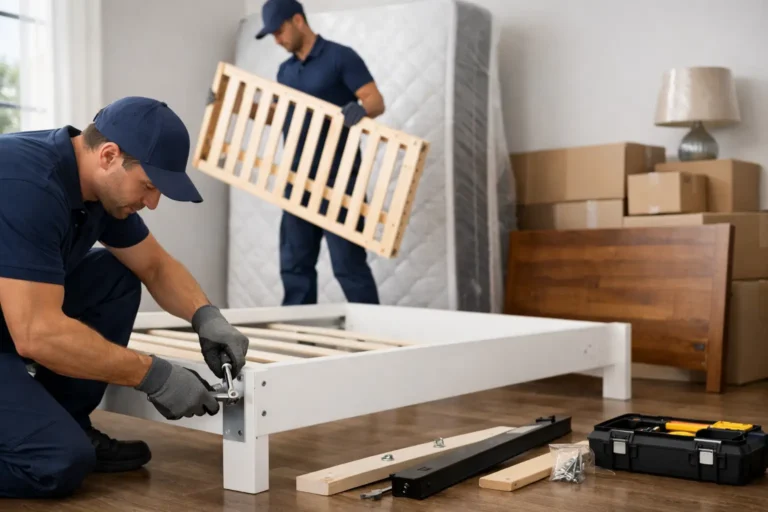
Office Movers for a Stress-Free Business Move
A business move can affect far more than desks and filing cabinets. It can interrupt customer service, disconnect technology, delay employees, and create confusion before the first box reaches the new space. Experienced office movers bring order to that process, helping Tennessee businesses relocate with less downtime, less risk, and a clear plan from start to finish.
Whether you are moving a small professional office in Franklin, expanding a Nashville team, relocating a Knoxville practice, or transferring a warehouse-adjacent workspace, commercial moving requires more coordination than a typical household move. The right crew protects your equipment, respects your timeline, and gives your team a reliable point of contact when details change.
Why Office Moves Need More Than a Moving Truck
Office furniture is only one piece of the relocation. Most businesses also have computers, monitors, phones, printers, confidential files, breakroom equipment, inventory, artwork, and specialized items that cannot simply be loaded without a plan. A rushed move can leave essential equipment in the wrong room, create avoidable damage, or keep employees from working when they need to be back online.
Professional office movers approach the job as a business operation, not just a series of heavy lifts. They assess access points, elevators, parking restrictions, loading docks, stairwells, furniture size, and the distance between locations. That preparation helps prevent moving-day surprises that cost time and money.
The level of service depends on your office and your schedule. Some businesses need full packing and unpacking, while others prefer to have employees pack personal desk items before the crew arrives. A dependable moving company should explain the options clearly, provide an upfront estimate, and help you choose the level of support that fits your budget.
Start Planning Before Your Lease Date Gets Close
The best commercial moves begin well before moving day. If possible, start organizing the project six to eight weeks ahead. Larger offices, multi-floor spaces, medical or legal offices, and businesses with a significant amount of equipment may need more time.
First, appoint one person to coordinate decisions with the moving company. This does not mean that person has to do every task. It simply gives employees, building managers, and movers one source for schedules, access instructions, and last-minute updates. Clear communication keeps small issues from becoming delays.
Next, create a floor plan for the new location. Identify where departments, workstations, conference tables, printers, reception furniture, and storage cabinets will go. When movers know where each item belongs before loading begins, they can place furniture directly in the correct rooms instead of leaving a crowded pile for your staff to sort out later.
It also helps to decide what is not making the move. Old chairs, broken electronics, outdated files, unused supplies, and surplus furniture take up truck space and employee time. Sorting these items early can reduce your moving cost and make the new office feel organized from day one.
What to Look for in Office Movers
Commercial relocation is not the time to choose based on the lowest number alone. A low estimate may not account for packing materials, travel time, specialty handling, stairs, long carries, storage, or the labor needed to disassemble and reassemble furniture. Ask what is included so you can compare quotes fairly.
Look for a moving company that is licensed and insured, experienced with commercial relocations, and willing to walk through the scope of your move. A professional team should ask practical questions about your building rules, equipment, timeline, and access. If they do not ask, they may not be prepared for the details that matter.
Reliable office movers should also provide professional handling for the items your business depends on. Desks and conference tables may need to be disassembled. Monitors and electronics need protective wrapping. File cabinets may require special attention, particularly when they contain confidential records. Large copiers, safes, and heavy furniture may call for additional equipment or a more detailed plan.
Before booking, confirm these four essentials:
- The estimate explains labor, transportation, supplies, and any expected additional services.
- The crew is licensed and insured for commercial moving work.
- The company can accommodate your schedule, including evening or weekend moves when available.
- You know who to contact before and during the move if plans change.
Protect Technology, Files, and Employee Belongings
Technology is often the most time-sensitive part of an office move. Your IT team or provider should prepare servers, network equipment, computers, phones, and cables before movers arrive. Take photos of complex connections, label cords, back up important data, and make sure sensitive equipment is clearly identified.
Movers can safely pack and transport office equipment, but they should not be expected to disconnect systems that require technical expertise. Separating those responsibilities avoids confusion and helps your team reconnect critical equipment faster at the new location.
Confidential records need their own process. Medical files, legal documents, personnel information, and financial records should be boxed, labeled, and handled only by authorized staff or according to your company policy. If records are going into storage, use a secure option and maintain an inventory of every box.
Employees should pack personal items from their desks in clearly labeled boxes. A simple label with the employee name, department, and new office or workstation number makes delivery much faster. It also reduces the frustration of searching through dozens of similar boxes after the move.
Reduce Downtime With a Phased Moving Plan
Many businesses cannot pause operations for a full business day, much less an entire week. That is why timing matters. A weekend, evening, or phased relocation may be the best choice when customer service and employee productivity need to continue with minimal interruption.
A phased move transfers one department or area at a time. This approach can work well for larger offices, businesses with essential front-desk coverage, and teams that need to keep certain systems active. It may take more coordination than moving everything at once, but the trade-off can be worthwhile when lost operating time would be expensive.
For a smaller office, a single-day move may be more efficient. The key is making sure the new space is ready. Confirm elevator reservations, loading dock access, keys, parking arrangements, utilities, internet installation, and building move-in requirements ahead of time. Even a skilled crew can be delayed by a locked dock or an unavailable elevator.
Good Time Moving & Storage helps businesses across Tennessee plan commercial moves around the realities of their operations. From packing and furniture moving to secure storage when timing between locations does not line up, professional support can keep the relocation manageable and on schedule.
Storage Can Keep Your Move Flexible
Office moves do not always happen on a perfect timeline. Your old lease may end before the new space is ready, renovation work may run late, or you may decide that some furniture does not fit the new layout. Secure storage gives you breathing room without forcing rushed decisions.
Storage can also be useful during a downsizing move. Instead of crowding the new office with furniture you may need later, store it until your team has settled into the space. This is especially helpful for growing companies that expect staffing or layout needs to change.
Make sure stored items are properly inventoried and protected before transport. Clearly labeled boxes, wrapped furniture, and a written list of what is in storage make retrieval easier when you are ready for it.
Moving Day Should Feel Organized, Not Chaotic
On moving day, the point person should be available to answer questions, direct the crew, and confirm that each area has been cleared. Keep walkways open, reserve parking when possible, and make sure employees know when they need to finish packing their personal belongings.
At the new office, use the floor plan and labels to guide placement. Have one person check off major furniture and equipment as it arrives. This does not need to slow down the crew. It simply creates accountability and helps identify anything that needs attention before the truck leaves.
Once the physical move is complete, give your team time to settle in. Prioritize internet, phones, workstations, reception, and the equipment your business needs to serve customers. Decorative items and less urgent storage can wait until the essentials are working.
A well-planned office move protects more than furniture. It protects your team’s time, your customers’ experience, and the momentum your business has worked hard to build. With licensed, insured professionals handling the heavy work and a clear plan behind every step, your next location can feel ready for business sooner.