What Do Movers Pack? A Clear Tennessee Guide
A move can feel manageable until you look around and realize every cabinet, closet, and shelf has to be emptied. Knowing what do movers pack helps you decide where professional help will save time, reduce damage risk, and make moving day far less stressful. The answer depends on the packing service you select, the items in your home, and any safety rules that apply.
With full-service packing, professional movers can handle most of the work inside your home or office. They bring the right materials, wrap belongings carefully, label boxes, and prepare furniture for secure transport. You still have an important role: separating essentials, protecting private documents, and setting aside anything a moving company cannot legally or safely carry.
What Do Movers Pack During a Full-Service Move?
Full-service movers pack the everyday belongings that fill a home. That generally includes kitchen items, clothing, books, décor, linens, toys, electronics, lamps, framed artwork, and many other household goods. The crew typically supplies boxes, packing paper, tape, and protective wrapping, then loads each carton onto the truck after it is packed.
The biggest benefit is not just speed. Professional packing is designed to protect belongings during loading, driving, unloading, and placement in your new space. Glassware is wrapped individually, dishes are packed to limit movement, and heavier items are placed where they will not crush lighter belongings. A carefully packed box is easier to carry, stack, and deliver safely.
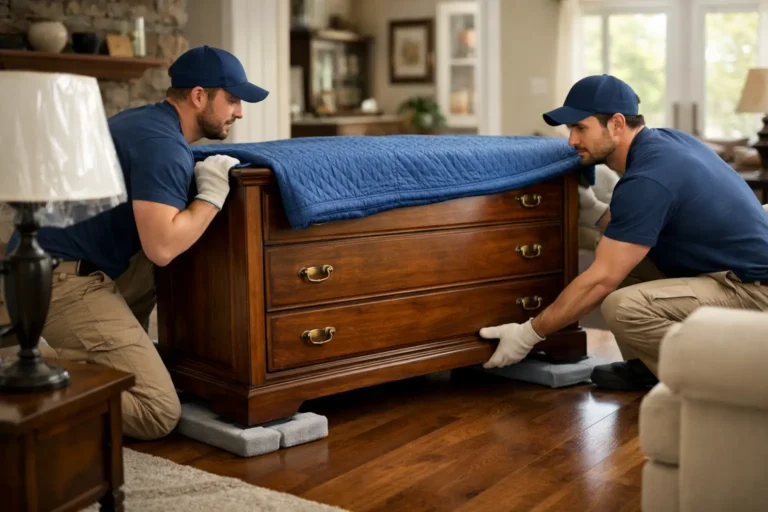
Movers also prepare many furniture pieces for transport. They may wrap sofas, chairs, dressers, tables, bed frames, and other large items in moving pads or stretch wrap. When needed, they can disassemble basic furniture so it can move through doorways and fit securely in the truck. At delivery, the crew can place furniture in the rooms you choose and reassemble items that were taken apart for the move.
For Tennessee households moving from an apartment in Nashville, a home in Franklin, or a larger property near Knoxville, this service can remove days of packing from an already busy schedule. It is especially helpful for families balancing work and school, seniors planning a transition, and anyone facing a short move-out deadline.
Kitchen and fragile-item packing
Kitchens often take longer to pack than people expect. Every glass, mug, plate, small appliance, utensil, and pantry item needs a decision. Movers can pack these items efficiently using dish-pack boxes and cushioning materials suited to fragile belongings.
They can also pack decorative pieces such as vases, collectibles, mirrors, and picture frames. Special care may be needed for unusually valuable, oversized, or sentimental items. Let your moving coordinator know about these items before moving day so the crew can plan the right protection and explain any available valuation options.
Clothing, closets, and bedrooms
Movers can pack folded clothing, shoes, bedding, towels, and personal items from drawers and closets. Many crews use wardrobe boxes for hanging clothes, allowing garments to stay on their hangers instead of being folded into cartons. This can make unpacking much easier when you arrive.
Before the crew begins, take a moment to remove cash, jewelry, prescriptions, sensitive paperwork, and irreplaceable keepsakes from closets and drawers. Movers are trained to handle your possessions with care, but these are items you should keep directly with you.
Electronics, books, and home office items
Professional crews can pack televisions, computers, printers, gaming systems, books, and office supplies. Original manufacturer boxes are useful when you still have them, particularly for high-value electronics, but they are not required for most items. Proper padding and a correctly sized carton are often more important.
If you work from home, back up important files before packing begins. Keep chargers, passwords, external drives, and the equipment you need immediately after arrival in a clearly marked personal bag. That simple step can prevent a frustrating first night in your new home.
What Movers Usually Do Not Pack
Safety and transportation regulations place limits on what moving companies can take. A professional moving crew should explain these restrictions before your move, but it is smart to identify them early while sorting through the garage, shed, basement, and cleaning supplies.
Movers generally cannot pack or transport hazardous materials, including:
- Gasoline, propane tanks, lighter fluid, and fireworks
- Paint thinner, bleach, pesticides, and other harsh chemicals
- Aerosol cans, ammunition, and flammable or corrosive products
- Perishable food that could spoil during transport
Some items are technically movable but are better kept with you. Important documents, passports, medication, checkbooks, family heirlooms, small valuables, and items with strong personal meaning should travel in your car whenever possible. This gives you immediate access and reduces worry during the move.
Plants and pets also need their own plan. Plants can be sensitive to heat, cold, and extended time in a moving truck, while pets should never ride in the truck. If you are moving long distance, check any state or property rules that may affect plants, animals, or specialty items.
Partial Packing Lets You Keep Control
You do not have to choose between packing everything yourself and handing over every room. Partial packing is a practical option when you have already handled clothing and easy items but want help with the kitchen, fragile décor, artwork, or difficult rooms.
This approach can lower your packing cost while still protecting the items most likely to break. It also makes sense for customers who are comfortable packing at their own pace but need professional assistance because of a busy work schedule, a last-minute move, or physical limitations.
Be specific when requesting an estimate. Tell the moving company which rooms you want packed, whether you have fragile items, and whether furniture requires disassembly. Clear information helps the crew arrive with enough materials and gives you a more accurate quote without unwelcome surprises.
Special Items Need Advance Planning
Not every item fits into a standard moving box. Pianos, safes, large exercise equipment, antiques, oversized artwork, and delicate instruments may require specialized handling. These pieces should be discussed during your estimate, not mentioned for the first time when the truck arrives.
A piano, for example, requires the right equipment, trained handling, and a route that accounts for stairs, tight turns, and flooring protection. The same is true for heavy furniture and commercial equipment. Experienced movers can assess the job and determine whether additional crew members, specialty tools, or custom crating are needed.
For office moves, movers may pack files, desk contents, electronics, breakroom supplies, and common-area furniture. However, the business should decide in advance how confidential records, employee property, and sensitive data will be handled. A labeled, organized packing plan helps the new office open faster and with less disruption.
How to Prepare Before the Packers Arrive
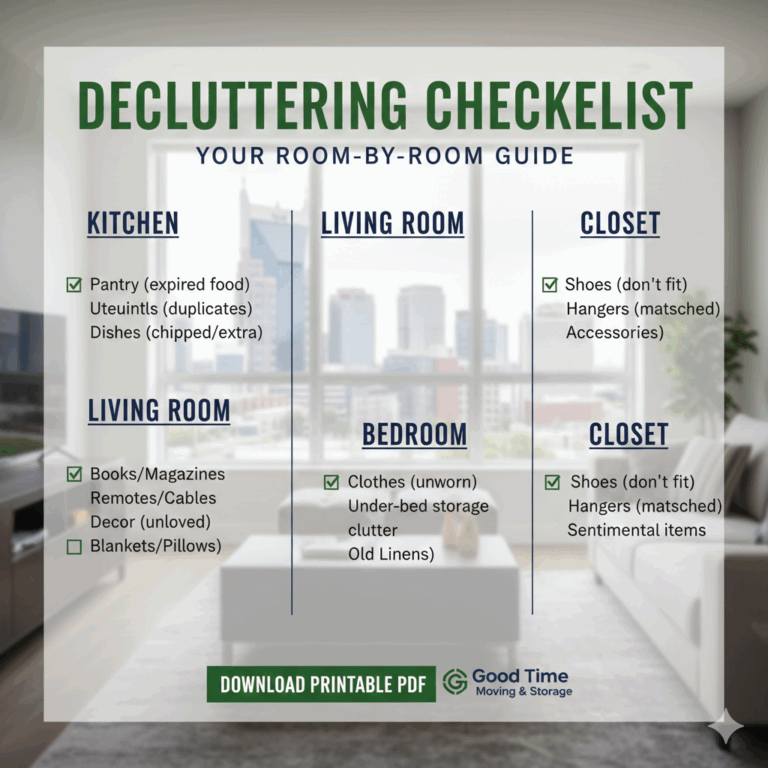
Professional packers work best when they can focus on packing rather than sorting through decisions that only you can make. Spend time before moving day decluttering rooms, donating unwanted items, and disposing of prohibited materials. There is no reason to pay to pack and move things you no longer want.
Create one clearly marked area for items that will not go on the truck. Include your essentials bag, documents, medications, valuables, keys, phone chargers, and supplies for children or pets. Tell the crew that this area is off limits. A note on the door or a bright sign can help prevent confusion during a busy day.
You should also point out anything that needs special attention. Let the crew know which boxes contain fragile items, which furniture stays behind, and which belongings need to go to storage instead of your new address. If you are using packing services, avoid sealing or labeling cartons before the movers arrive unless you are packing those boxes yourself.
Good Time Moving & Storage can help Tennessee customers choose full-service or partial packing based on the size of the move, the timeline, and the level of support they need. A clear estimate and a conversation about your home give the moving team the information needed to plan carefully.
The Right Packing Service Should Make Moving Day Easier
The real value of professional packing is peace of mind. You are not left scrambling for boxes, guessing how to protect dishes, or trying to carry a heavy dresser down a narrow stairway. Instead, you have a trained crew handling the physical work with the materials and process needed for safe transport.
Before booking, ask exactly what packing services include, whether materials are included in the estimate, how fragile items are handled, and which belongings must stay with you. The right answers make it easier to choose a service level that fits your budget and your move. When the plan is clear before the first box is packed, you can spend moving day focused on getting settled rather than managing chaos.