
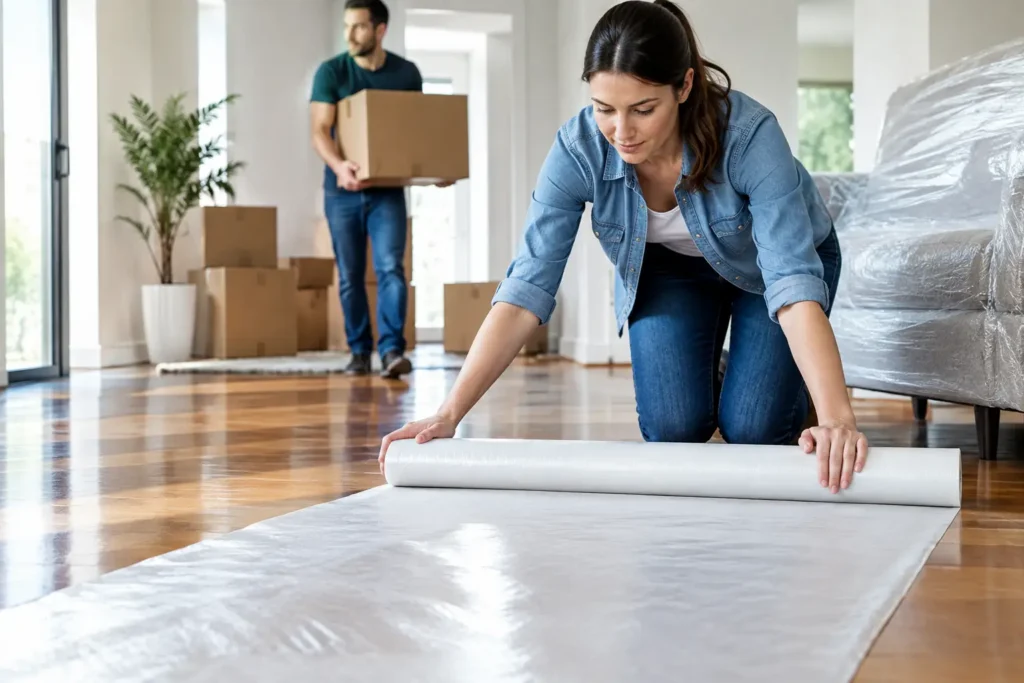
A single dragged dresser can leave a gouge that catches the light every time you walk through the room. That is why knowing how to protect hardwood floors should be part of your moving plan, not an afterthought once the truck arrives. Hardwood is durable, but it is also vulnerable to grit, moisture, dropped items, and the concentrated weight of furniture legs.
Whether you are moving out of a Nashville bungalow, into a Knoxville apartment, or relocating an office with wood flooring, a few smart precautions can prevent expensive damage. The key is to protect the walking paths first, then control how furniture and boxes move through the space.
Start With a Clean, Dry Floor
Protection materials work best on a clean surface. Before packing, loading, or bringing furniture inside, sweep or vacuum the hardwood thoroughly. Small bits of gravel, screws, staples, and tracked-in dirt can become abrasive under shoe soles, cardboard, or floor coverings. A floor that looks clean can still have enough grit to create fine scratches.
Use a dry microfiber mop or a vacuum made for hard surfaces. Avoid soaking the floor, especially shortly before a move. Excess water can work into seams and may leave wood vulnerable to swelling or finish damage when heavy coverings are placed over it.
If the weather is rainy or humid, give the entryway extra attention. Tennessee moves often involve sudden rain, wet grass, red clay, or damp leaves. Set up an exterior mat and a separate indoor mat so movers can wipe their shoes before stepping onto the hardwood. If conditions are especially wet, consider having one person manage the doorway and replace damp coverings as needed.
Cover the Main Traffic Routes Before Loading Begins
You do not necessarily need to cover every inch of flooring. Focus on the routes people will use repeatedly: the front door, hallways, stair landings, living rooms, and the path between the door and the moving truck. If furniture must turn through a narrow hallway, protect the full turning area as well.
For most moves, the best protection is a combination of clean moving blankets, breathable floor runners, and temporary hard-surface protection. The right material depends on the condition of the floor, the weather, and how much traffic the home will have.
Choose Materials That Will Not Trap Moisture
Moving blankets are useful for short-term coverage, especially under large items or across a limited path. Lay them flat and secure the edges so no one trips. Clean blankets matter. A blanket that has picked up dirt or grit in a truck can scratch a floor just as easily as an uncovered shoe.
Reusable floor runners provide more stable protection for busy paths. Look for products designed for hard floors and avoid anything with an aggressive adhesive backing. Tape should secure the edges of the covering, not stick directly to the hardwood whenever possible. Strong tape can pull up finish or leave residue, particularly on older floors.
Cardboard is tempting because it is inexpensive and readily available, but it is not always the best choice. It can slide, buckle under dollies, and absorb water. It may work as a small, dry, temporary layer beneath a piece of furniture, but it should not be your primary protection in a wet entryway or high-traffic route.
Avoid plastic sheeting directly against hardwood for long periods. Plastic can trap moisture, and moisture is one of wood flooring’s biggest enemies. If you need a water-resistant layer near an entry door, place a breathable protective material between the plastic and the floor, and remove everything as soon as the move is complete.
Never Drag Furniture Across Hardwood
The fastest way to damage a wood floor is to drag a heavy item, even a few inches. Sofas, dressers, bed frames, appliances, and desks may have rough feet, exposed staples, or metal hardware underneath. What feels like a minor adjustment can leave deep scratches or dents.
Furniture should be lifted and carried whenever practical. For especially heavy pieces, use the right equipment and enough people to control the weight. This is particularly important with pianos, large safes, solid-wood armoires, and commercial furniture. A moving dolly can help, but its wheels must be clean, in good condition, and used only over protected paths.
Before anything moves, inspect the underside of each large item. Remove loose nails, staples, or sharp hardware. Add clean furniture pads or felt sliders where appropriate, but remember that sliders are for controlled repositioning, not for pulling a loaded dresser across an entire room. They can also collect grit underneath, so use fresh pads and check them often.
Here are the most common sources of moving-related floor damage to watch for:
- Dirty shoes or dolly wheels grinding grit into the finish
- Furniture legs scraping during a tight turn or doorway maneuver
- Dropped boxes, tools, or hardware denting the wood
- Wet blankets, cardboard, or plastic holding moisture against the floor
- Unsecured runners shifting under a person carrying a heavy item
Protect Floors From Boxes, Not Just Furniture
Boxes can damage hardwood too. A fully packed book box or dish barrel can be surprisingly heavy, and repeatedly setting it down in the same spot may dent softer wood or scuff the finish. Do not slide boxes across the room. Lift them, use a hand truck over a protected path, or stage them on a covered area.
Keep boxes dry and avoid overpacking them. A box that breaks open creates a cluttered, hazardous walkway, while a box with a damp bottom can transfer moisture to the floor. For high-value or heavy items, use sturdy moving boxes and label them clearly so they are handled with the right care.
It also helps to create a designated staging zone near the door. Cover that area well and keep it organized. When every item has a place to wait, people are less likely to set furniture down quickly on an unprotected section of floor.
Plan the Move Around Your Floor Layout
Good floor protection begins before moving day. Walk through the home and identify narrow corners, steps, low light areas, and transitions between carpet, tile, and hardwood. These are the places where people tend to lose balance, pivot furniture, or catch a dolly wheel.
Measure oversized furniture and compare it with door openings and hallways. If a sectional sofa will not clear a corner safely, forcing it through is not worth the risk to your walls, flooring, or furniture. Disassembling the piece may take extra time, but it can prevent a costly repair.
Clear rugs, floor lamps, pet bowls, cords, and small décor from the route. Rugs may seem protective, but they can bunch up underfoot or hide an uneven surface. Removing obstacles allows movers to keep both hands on what they are carrying instead of watching where they step.
If you are moving into a vacant home, take photos of the hardwood before the first box comes inside. If you are moving out of a rental, do the same after the space is cleared and cleaned. Photos create a useful record of the floor’s condition and can help avoid disputes over pre-existing wear.
Do Not Skip Protection at the Truck and Doorway
Many scratches happen at the threshold, where the load transitions from truck ramp to house. The area takes repeated foot traffic, and it is where dirt, water, and small debris enter first. Cover both sides of the doorway and inspect the threshold for raised metal strips or loose trim.
Keep the truck loading area organized as well. Furniture pads, straps, tools, and hardware should not be left where someone may step on them and then track debris indoors. When the crew has a clear route and a planned loading order, there is less rushing and fewer uncontrolled movements.
Professional movers bring experience, equipment, and trained handling techniques that make a real difference with heavy or delicate items. Good Time Moving & Storage can help Tennessee homeowners and businesses coordinate careful packing, loading, transport, and placement so floor protection is considered from the first walkthrough to the final piece of furniture.
Remove Coverings Carefully After the Move
Once the last item is in place, do not leave protective coverings down longer than necessary. Check for trapped moisture, especially after a rainy move or in rooms with limited airflow. Lift runners and blankets slowly, then sweep or vacuum the area again to remove any grit that may have collected along the edges.
Inspect the floor in natural light. Small scuffs may be removable with a cleaner approved for your floor finish, while deeper scratches and dents may need professional attention. Do not use wax, oil, or a random repair product until you know what type of finish is on the wood. The wrong product can create a cloudy patch or make future refinishing more difficult.
After furniture is placed, add felt pads to chair legs, tables, sofas, and other pieces that will stay on the floor. Replace those pads when they become dirty or worn. It is a small habit that continues protecting the hardwood long after moving day is over.
A careful move does more than get your belongings from one address to another. It lets you settle into your next space without discovering a preventable scratch beneath the morning sunlight.