Packing Supplies for Moving: What You Need
A move can go smoothly or become stressful before the first box reaches the truck. The difference often comes down to having the right packing supplies for moving before you begin. A stack of weak boxes, one roll of tape, and a few grocery bags may seem like enough at first, but they can lead to broken items, mixed-up rooms, and delays on moving day.
For households, apartment residents, seniors, and businesses across Tennessee, the goal is simple: protect what matters, keep the move organized, and avoid spending more than necessary. The best supplies depend on the size of your home, the distance of your move, and what you own. A one-bedroom apartment needs a different plan than a family home with a garage, attic, and fragile furniture.
Start With Boxes That Match the Job
Not every box should carry the same load. Small boxes are best for heavy, compact items such as books, canned goods, tools, records, and dishes. Medium boxes work well for toys, kitchen items, small appliances, and folded clothing. Large boxes should be reserved for lighter belongings, including pillows, linens, lampshades, and bulky winter coats.
The most common packing mistake is filling large boxes with heavy items. A box full of books may be difficult to lift safely, even for an experienced crew. Keeping heavier boxes manageable protects your belongings and helps reduce the risk of injury during loading and unloading.
Specialty boxes are worth considering when they solve a real problem. Wardrobe boxes let you transfer hanging clothes directly from the closet, which is especially helpful for a quick apartment move or a last-minute closing date. Dish-pack boxes provide stronger protection for glassware and plates. Mirror and picture boxes are designed for flat, fragile pieces that do not fit safely in standard cartons.
Used boxes can lower costs, but inspect them carefully. Avoid cartons with water damage, crushed corners, weak bottoms, or old food stains. For long-distance moves, storage, or valuable belongings, new moving-grade boxes are usually the safer choice.
Essential Packing Supplies for Moving Safely
Boxes are only one part of a secure packing plan. Tape, protective materials, and clear labels are what keep each carton closed, cushioned, and easy to place in the right room.
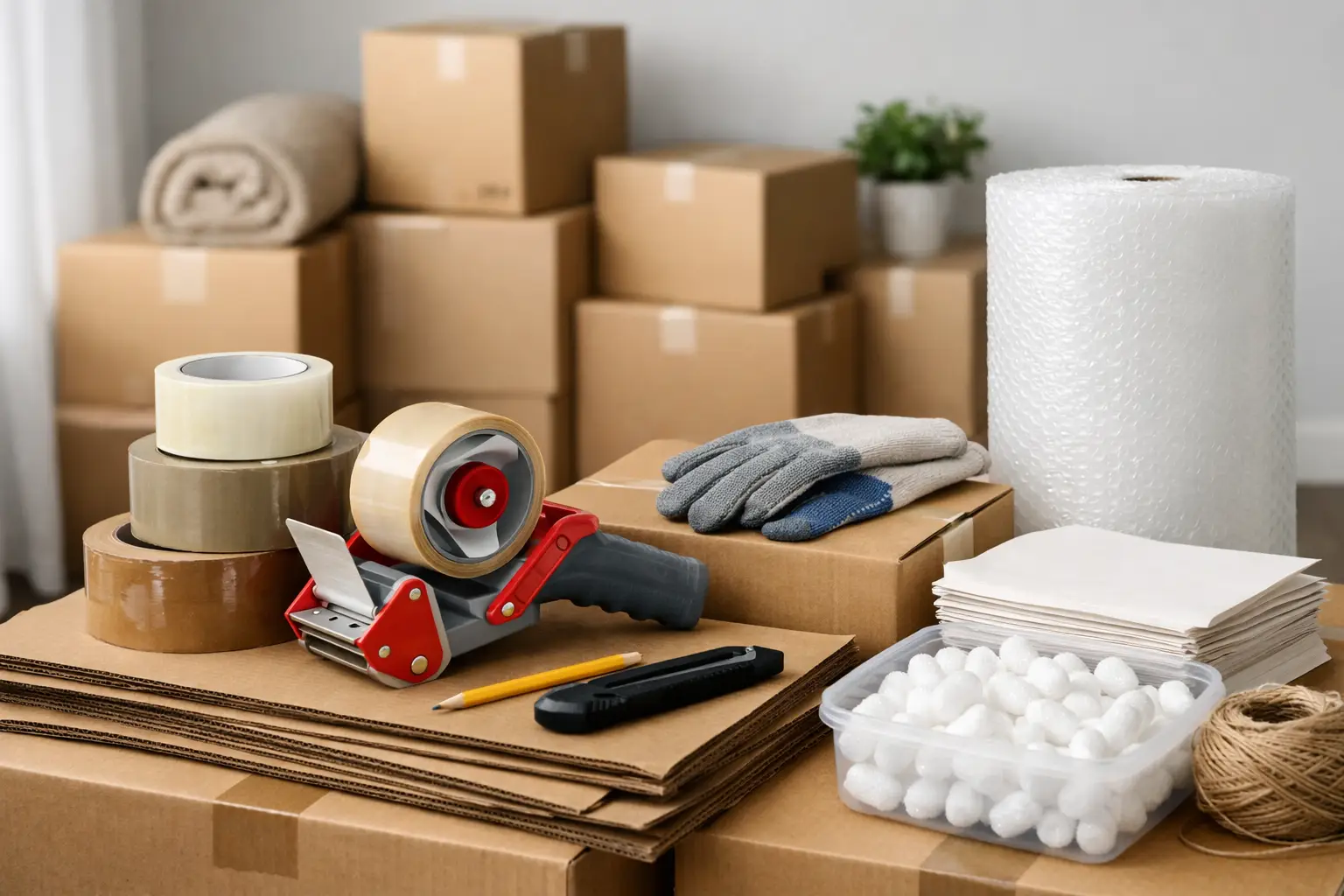
Use quality packing tape, not masking tape or painter’s tape. Apply tape across the center seam of the box bottom and run a second strip across each side seam. This simple H-pattern gives the box more support when it is lifted. Keep a tape dispenser nearby so you are not searching for the end of the roll every few minutes.
Packing paper is one of the most useful supplies to have on hand. It cushions dishes, fills open spaces inside boxes, and wraps items without the ink transfer that can come from newspaper. Bubble wrap offers added protection for glass, artwork, electronics, and delicate decor. For large furniture and upholstered pieces, moving blankets and stretch wrap help prevent scratches, scuffs, and dirt during transport.
You will also want a permanent marker and labels. Write the destination room and a short description of the contents on at least two sides of every box. For example, label a carton “Kitchen – Everyday Plates” rather than simply “Kitchen.” That small amount of detail makes unpacking far easier and gives your movers clear direction on delivery day.
Protect Fragile Items Without Overpacking
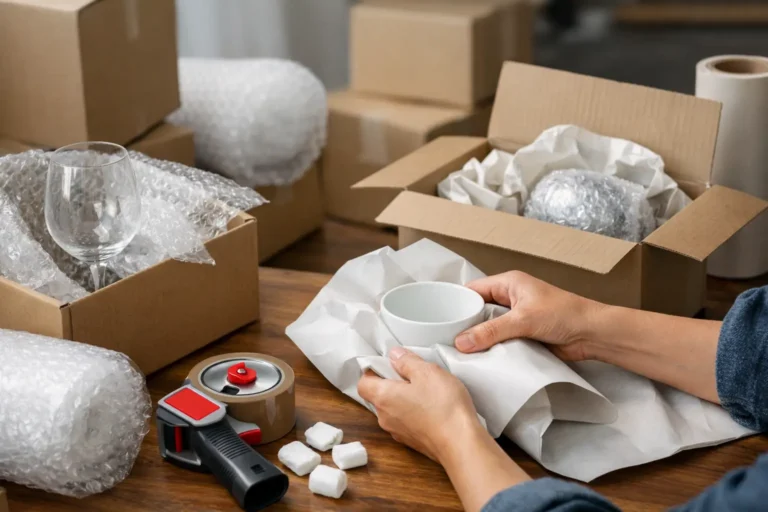
Fragile items need layers of protection, but more material is not always better. The goal is to prevent movement inside the box. Wrap plates individually in packing paper, then stack them vertically like records rather than laying them flat. Place a cushion of crumpled paper at the bottom and top of the carton.
For glasses, mugs, and stemware, wrap each piece separately and fill the hollow center of the item with paper. Keep heavier glass pieces on the bottom and lighter items above them. A dish-pack box with dividers can be a smart investment if you have a large collection of glasses or delicate kitchenware.
Electronics deserve special attention. If possible, use the original box and inserts for televisions, computers, monitors, and gaming systems. If those are gone, use a properly sized box with bubble wrap and firm cushioning around all sides. Take photos of cord connections before unplugging equipment, and place cables, remotes, and small accessories in labeled bags.
Do not pack jewelry, vital records, cash, prescription medication, passports, or irreplaceable personal items in cartons headed for the moving truck. Keep these belongings with you. The same applies to anything you will need immediately after arriving, such as chargers, pet supplies, toiletries, and a change of clothes.
Make Furniture and Large Items Easier to Move
Furniture is rarely packed in boxes, but it still needs protection. Moving blankets are the primary barrier against scratches, dents, and fabric damage. They should be secured with stretch wrap or moving bands, not tape placed directly on wood, leather, or finished surfaces. Tape can leave residue or pull up delicate finishes.
Disassemble furniture only when it makes the item safer or easier to move. Remove table legs when necessary, take shelves out of bookcases, and secure drawers if they could slide open. Put screws, bolts, and hardware in a labeled bag, then tape that bag to the underside of the furniture piece or keep all hardware in one clearly marked container.
Measure oversized furniture before moving day, especially in apartments, condos, and older homes. A sectional sofa, refrigerator, large desk, or king-size mattress may require a different route through stairwells, elevators, or narrow hallways. Planning ahead prevents stressful surprises when the truck is already loaded.
Build a Room-by-Room Packing Plan
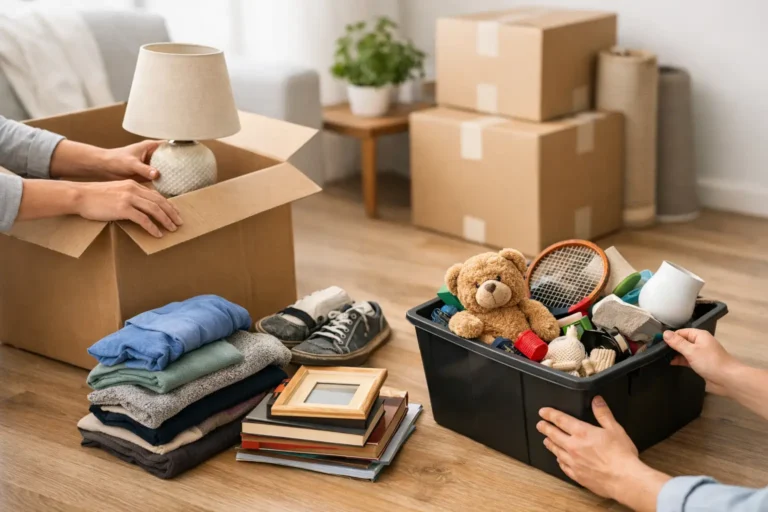
Buying supplies without a packing plan can create waste. Walk through every room and make a quick count of what needs to be boxed, wrapped, donated, or discarded. Start with items you use least often, such as seasonal decorations, wall art, guest-room linens, and extra kitchenware. Save daily essentials for the final days before the move.
Pack one room at a time whenever possible. Mixing items from several rooms in one box may save a few minutes now, but it creates confusion later. Mark boxes for the room where they belong in the new home, not necessarily the room where they came from. If the guest room is becoming a home office after the move, label the boxes for the office.
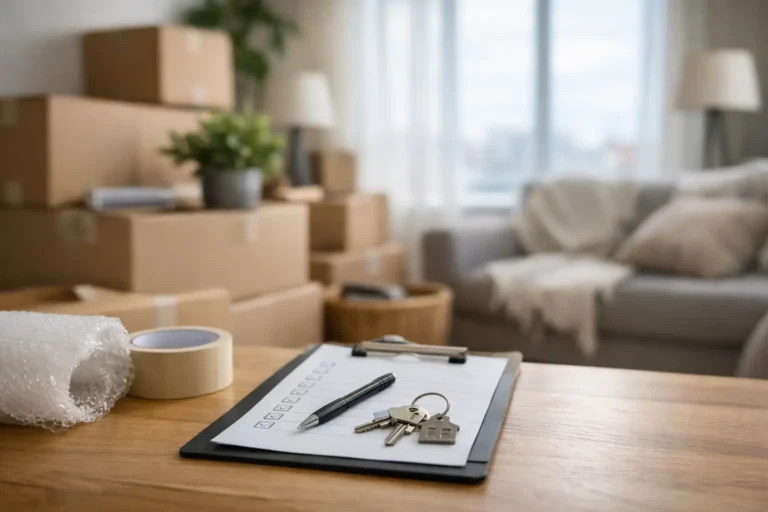
Set aside an essentials box or bag for the first 24 hours. Include toilet paper, hand soap, towels, basic tools, phone chargers, snacks, water, medications, important documents, and anything children or pets will need right away. Keep it in your vehicle or clearly identify it so it is unloaded first.
When Professional Packing Is the Better Value
Do-it-yourself packing can be a practical choice for a small move with plenty of time. However, professional packing can save time and reduce risk when you have fragile collections, valuable furniture, a busy schedule, or a larger home to prepare. It is also a strong option for seniors and families managing a move during a demanding transition.
Professional movers use the right materials, proven packing methods, and careful loading practices every day. That experience matters with breakables, artwork, antiques, pianos, office equipment, and large furniture. It can also prevent the expensive mistake of underpacking a valuable item or using a box that cannot handle the weight.
Good Time Moving & Storage can provide moving supplies and professional packing support for local and long-distance moves throughout Tennessee. A clear estimate and a plan tailored to your home, apartment, or business can make the process feel far more manageable.
The right supplies do more than fill boxes. They protect the belongings that make your house feel like home and give you a clearer, calmer path to move-in day. Start early, pack with purpose, and ask for help when the job is bigger than your available time or energy.